
IZIS – 12th Festival of Audiovisual and New Media Art 2024
JUST CONTROL – group show
Libertas, Koper
opening: 4 October 2024
exhibition: 5-20 October 2024
curator: Irena Borić
Igor Štromajer:
Expunction, 2000 · 2011 · 2024

On March 13, 2000, net non-artist Igor Štromajer programmed the first known artwork for UMTS (Universal Mobile Telecommunications System) cell phones, which used the then standard WAP (Wireless Application Protocol) to access the Internet. The title of the work was wap.sonnet – microbe.4/wap.art, and among the 30 other files that made up the whole, it included a file called ctrl.base.wml (1.29 kB), which was responsible for controlling and managing the net art work.
On May 16, 2011, as part of the ritual deletion of his net art works called Expunction, the author deleted the entire wap.sonnet of 17 kB from his intima.org server, and with it also the ctrl.base.wml file.
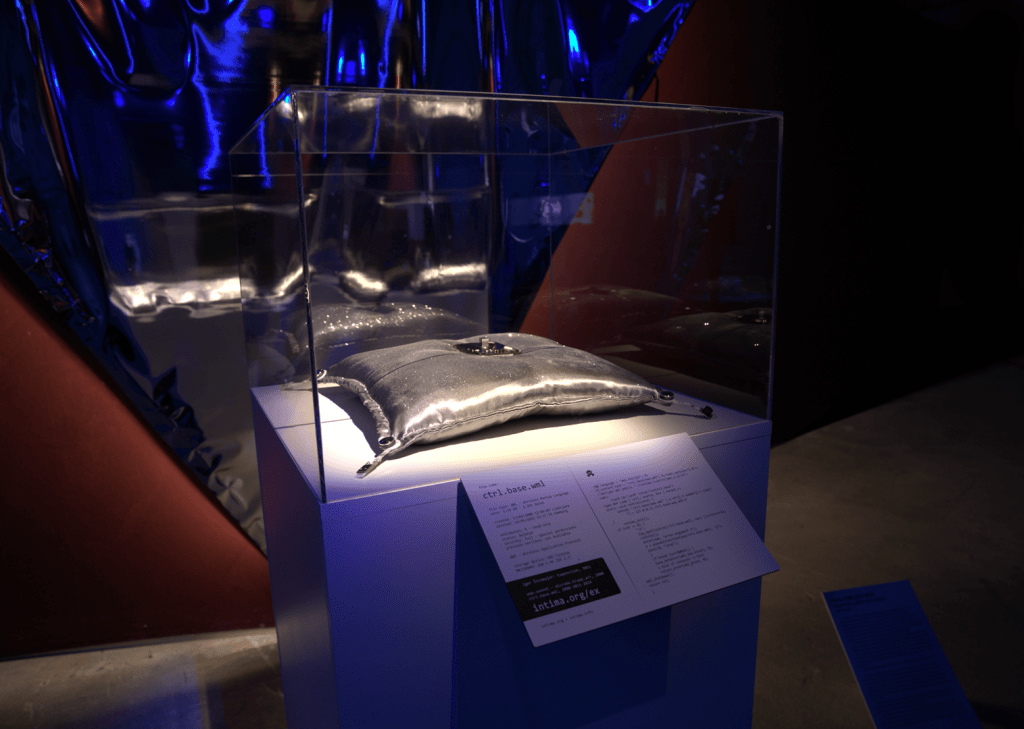
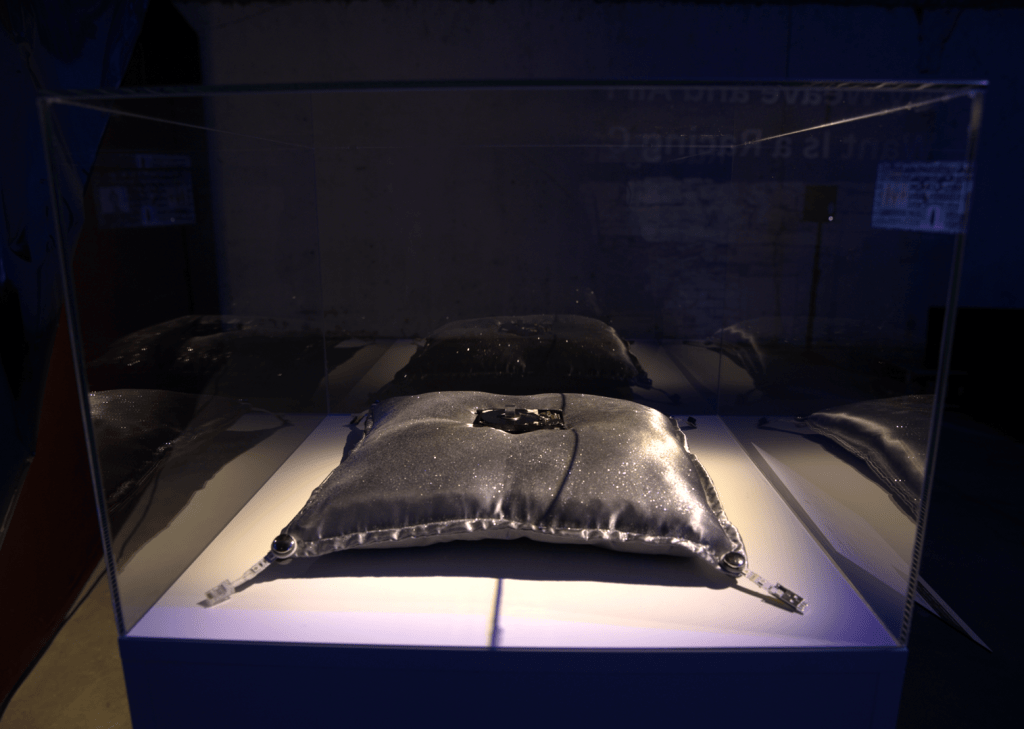
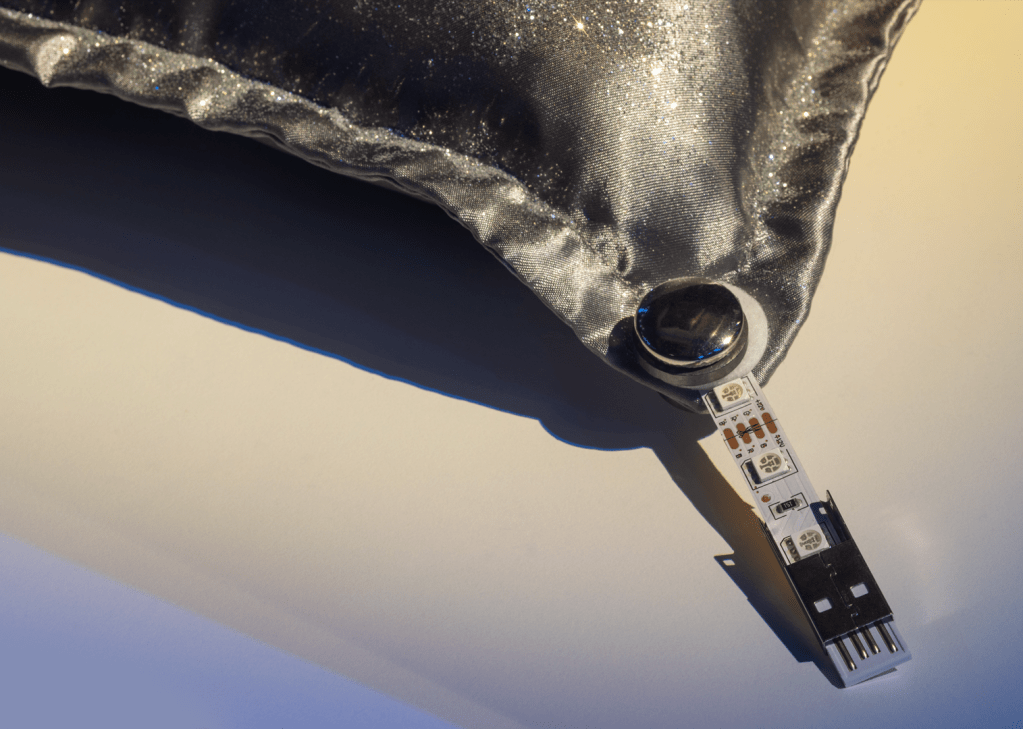
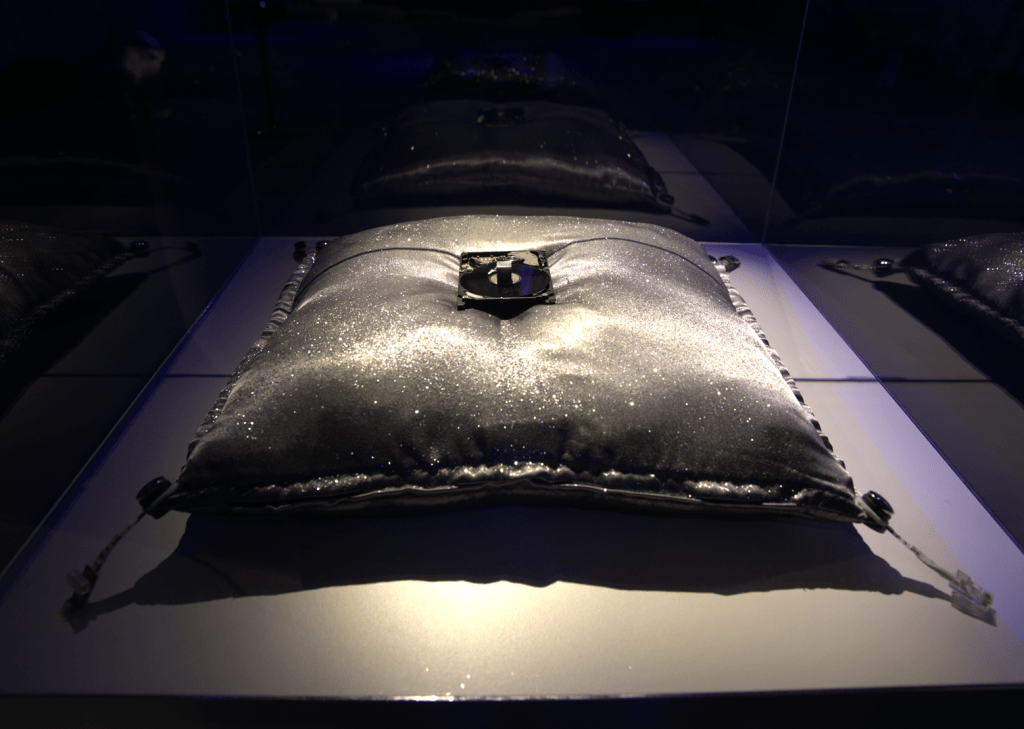

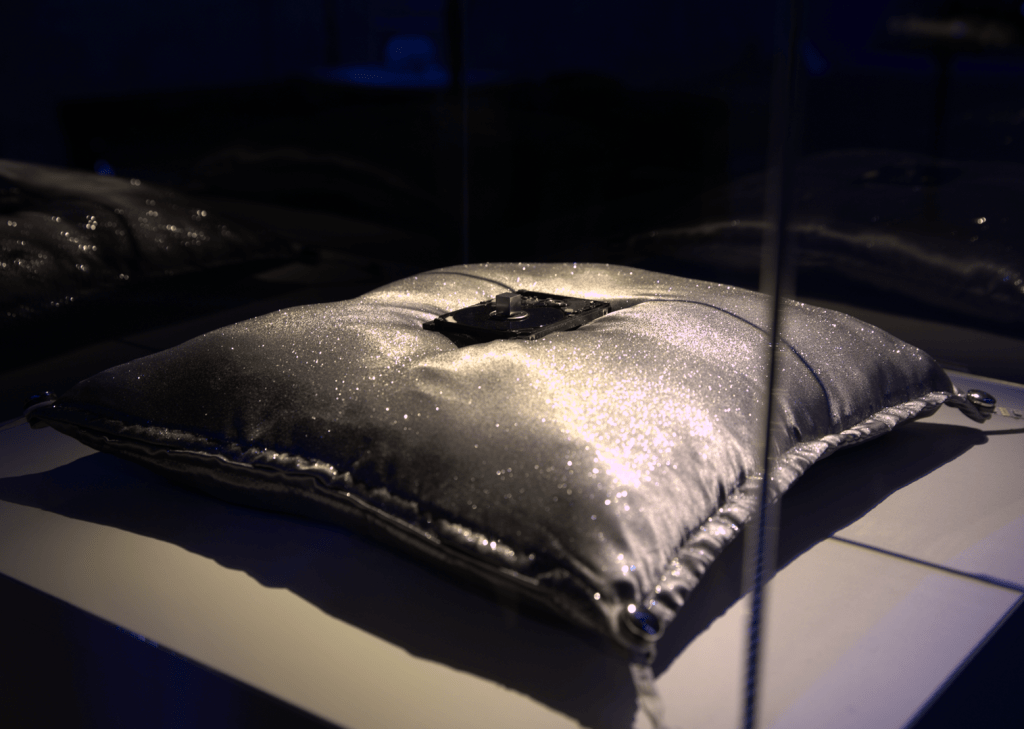
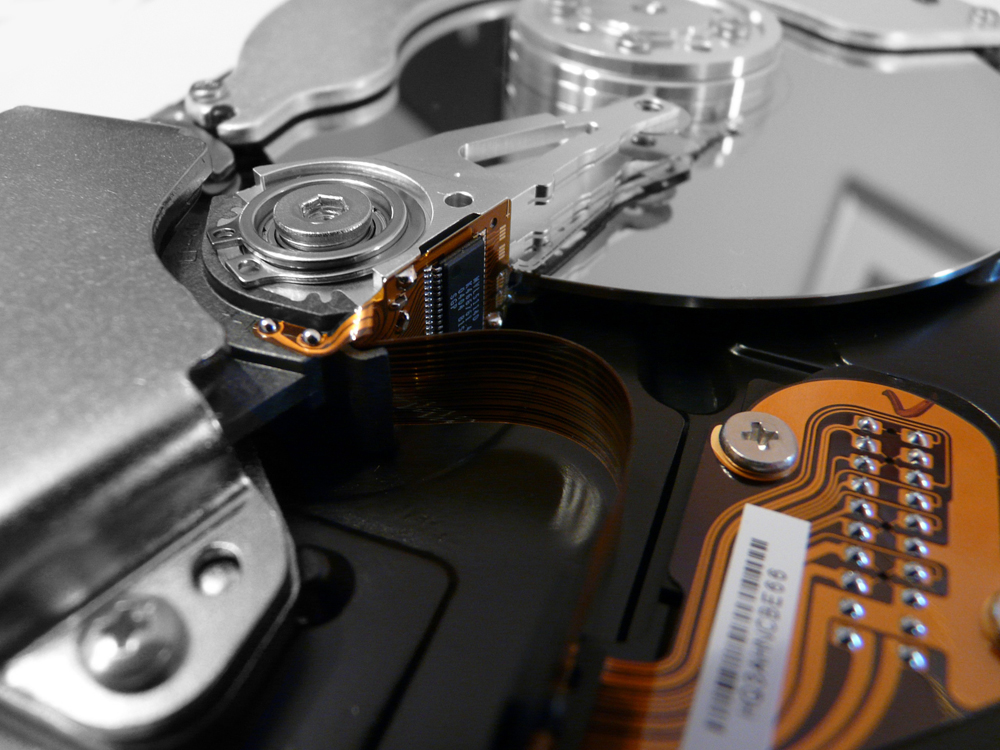
The exhibition presents an exposed Toshiba MK2109MAT 2GB 5.4K IDE 2.5″ hard disk drive, loaded with a single, isolated control file, deleted from the server in 2011, but carefully preserved in the author’s archive – ctrl.base.wml.
Archive + documentation:
intima.org/ex + wap.art
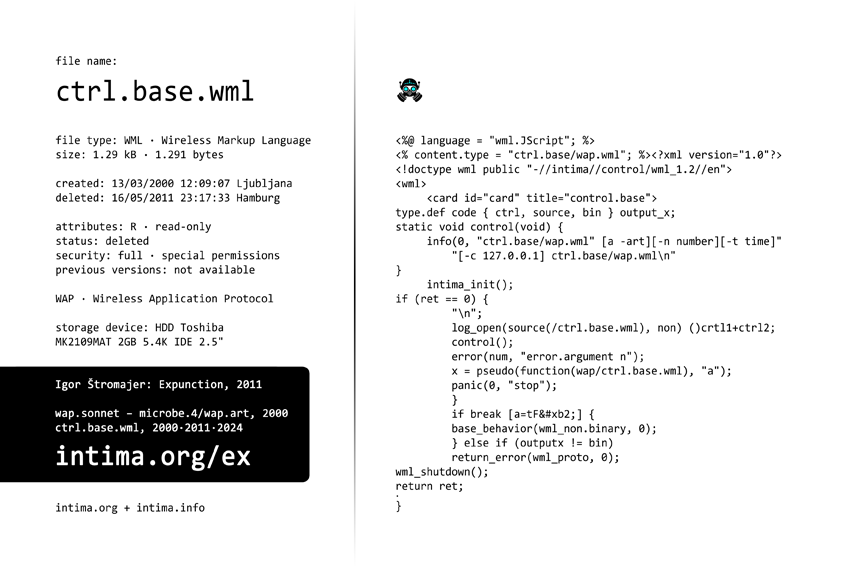
file name: ctrl.base.wml
file type: WML · Wireless Markup Language
size: 1.29 kB · 1.291 bytes
created: 13/03/2000 12:09:07 Ljubljana
deleted: 16/05/2011 23:17:33 Hamburg
WAP · Wireless Application Protocol
storage device: HDD Toshiba MK2109MAT 2GB 5.4K IDE 2.5″
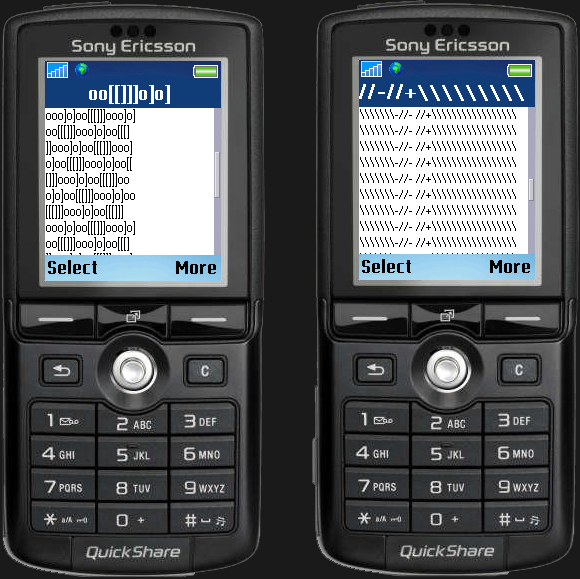
↑ wap.sonnet screenshots, 2000
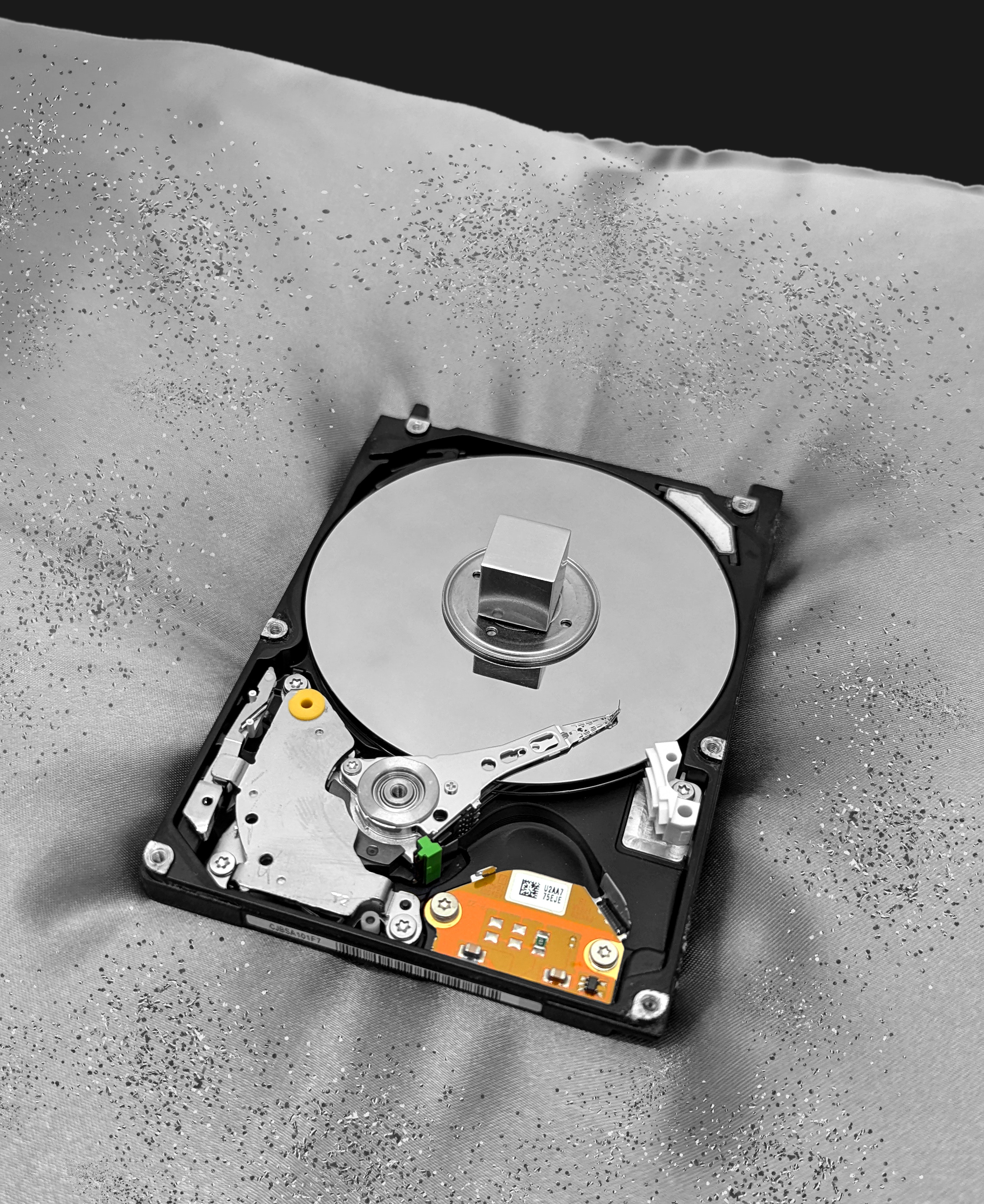
↑ HDD Toshiba 2GB
artists:
Sara Bezovšek, Živa Božičnik Rebec, Marc Lee, Neža Knez in Vida Guzmić, Matej Mihevc, Petra Mrša, Martin Nadal, Sybille Neumeyer, OR poiesis (Petra Kapš), SOLL (Miro Roman, Silvio Vujičić), Igor Štromajer
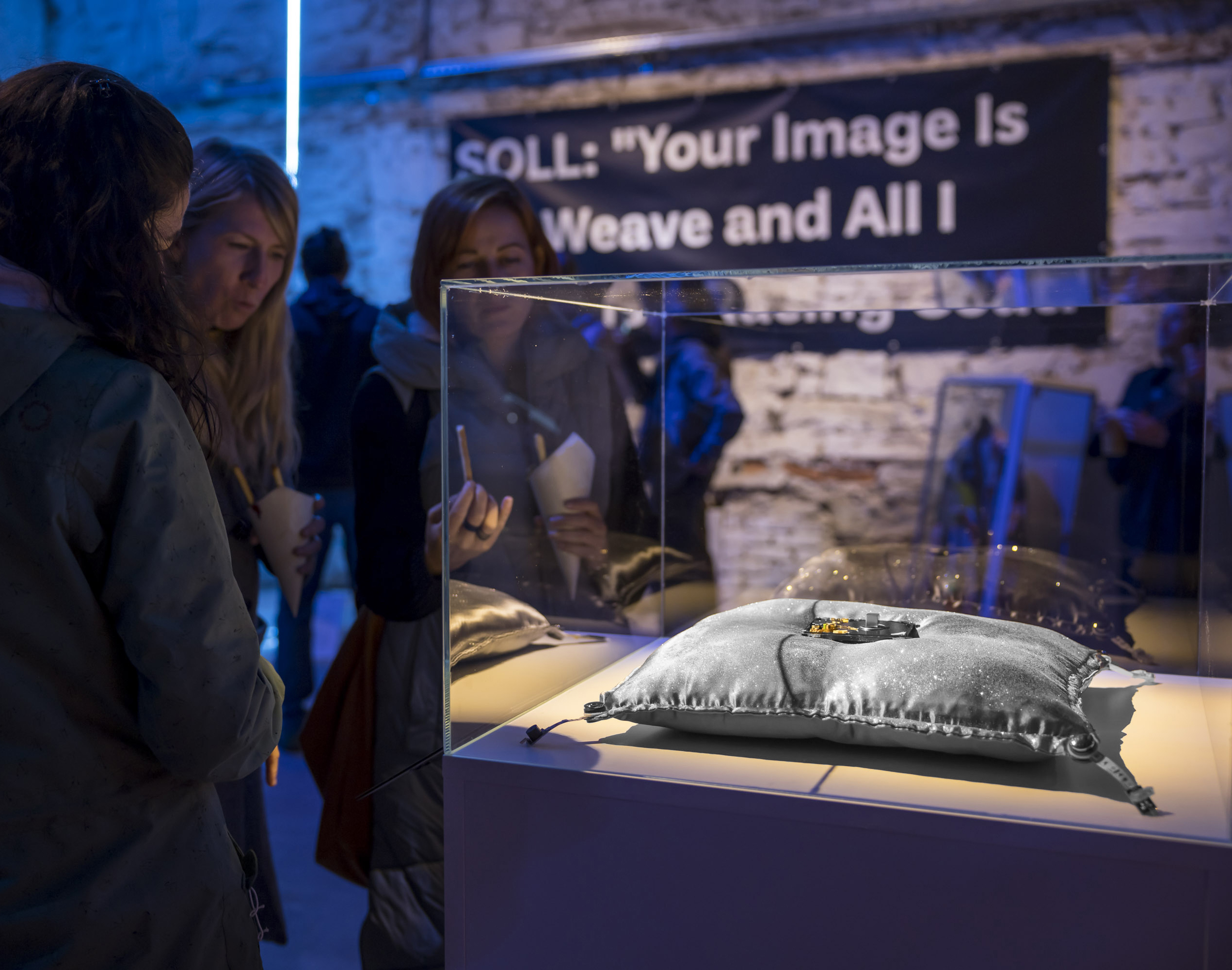
↑ exhibition opening · Photo Aleš Rosa/IZIS
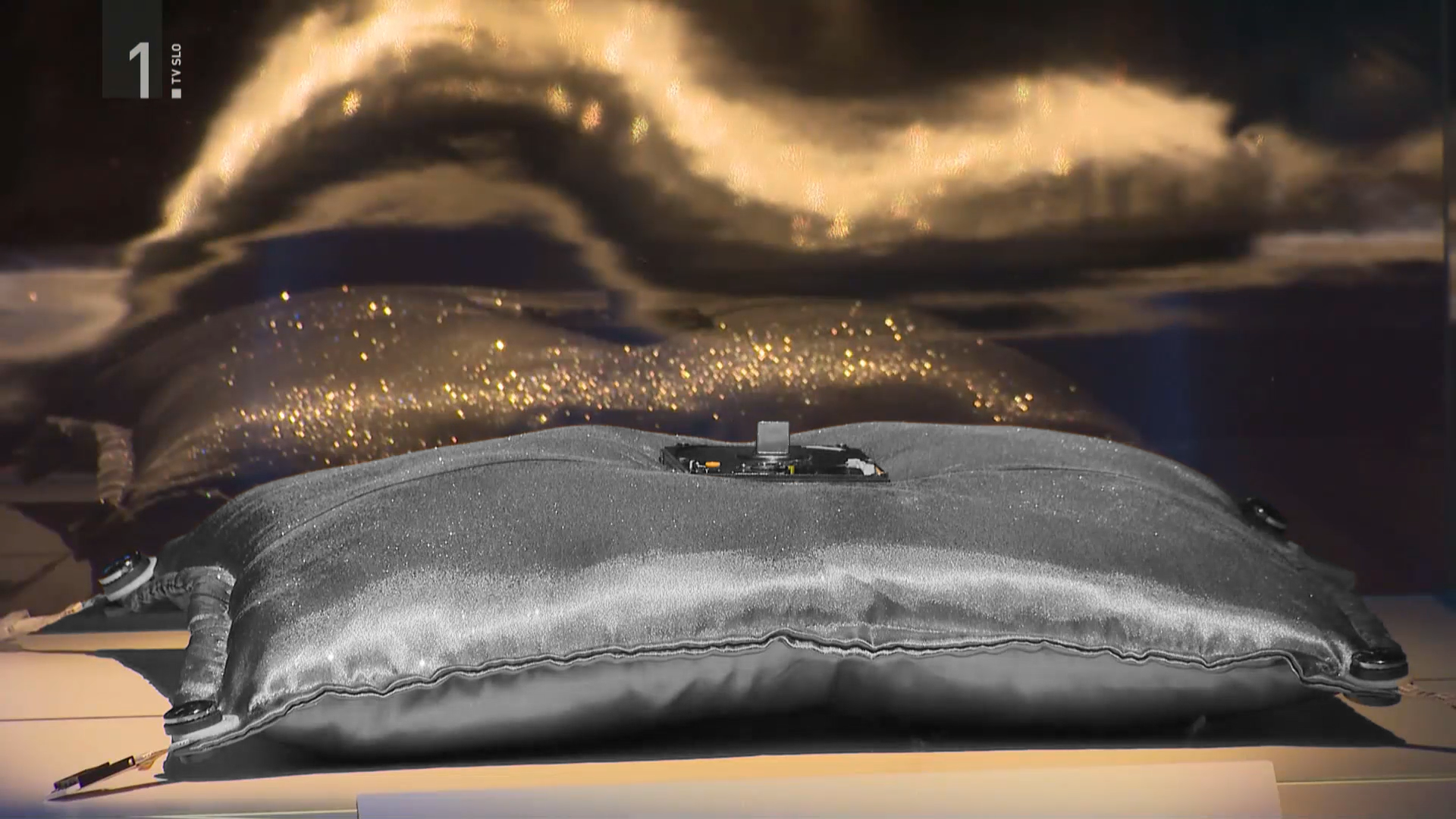
↑ TVS 1, Kultura, 14/10/2024
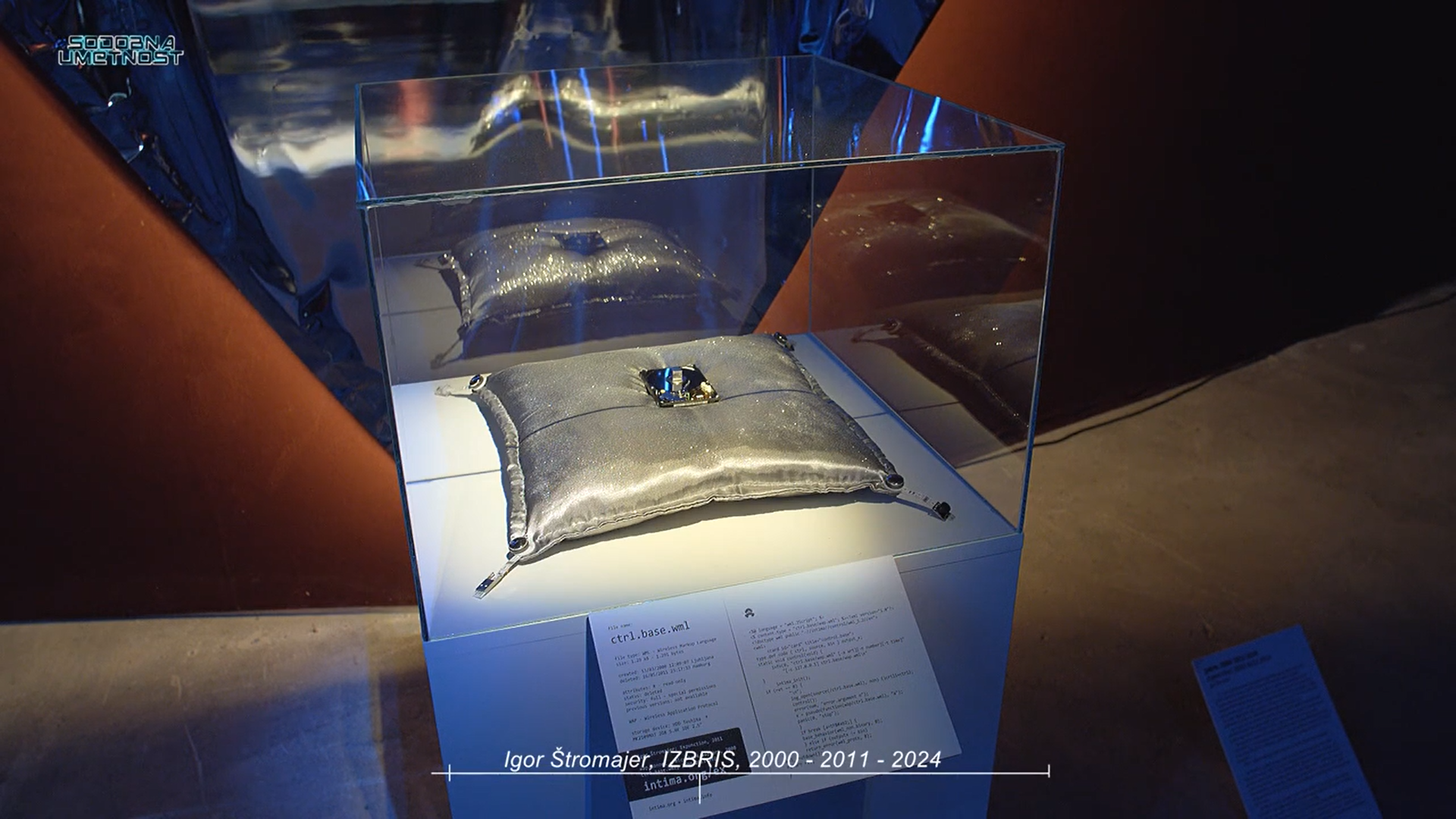
↑ Sodobna umetnost · Aljoša Abrahamsberg ↓
The 12th edition of the IZIS festival with its performative and exhibition program unfolds the theme of control and ponders upon contradictions that the term entails. With the title Just Control the festival captures the dialectics among autonomous and hierarchical control, while with its translations Samo nadzor and Controllo automatico brings in more complexities to the term. Represented artists tackle the notion of (just) control through environmental, meteorological, gaming, mechanical, or data systems and deconstruct its uncertain duality.
In the time of free-floating control, we are being surveilled more than ever before and, surprisingly, we feel quite carefree despite that, even more we even feel safe. Perhaps this has to do with the removal of the precise location of control, as we can simultaneously find it everywhere and nowhere. However, if we take a turn into the field of psychology, the site of control becomes crucial for understanding how an individual sees control over the outcome of events in their lives. Locus of control can be internal if the individual believes to have control over their own life. On the other hand, the external locus of control emphasizes a belief that control comes from outside factors, be that environment or other people. Already depending on its location, the feeling of control has a very different power. While internal control gives the impression of taking responsibility for one’s own life, the external one implies helplessness.
Could we understand a digital environment as an internal site of control in the expanded field, as right there an individual often exposes their intimate life, which expands from personal fears to personal data? How is this supported by the pervasiveness of networks that allow the integration of hybrid devices into all spheres of society, into political and economic, equally as cultural, natural, and emotional? As written by theorist Alexander R. Galloway in the book Protocol: How Control Exists after Decentralization (2004), the founding principle of the Net is control, not freedom. That is why in order to understand how power works within a society of control it is necessary to understand its protocol, as its political economy is that of management, modulation, and control. In Galloway’s words, “technically and politically the “control society” emerges as much from cybernetics research as it does from a military-industrial imperative toward the “governmentality” of information systems. This historical backdrop sets the stage for the various periodizations and mutations in the life of the protocol.”
Some sort of mutation of a network withholds the term techno-social, defined by theorist Tiziana Terranova in the essay Colonial Infrastructures and Techno-social Networks (2021) as the form of the social that comes after its end. For the author “It is neither a virtual nor a global digital community, but a component of the milieu generated by a new technical being—the digital computational network.” In the same essay, the theorist Ravi Sundaram discusses calculative infrastructures of the current moment, which expose extreme measurability of human life in the wider context of world shifts. It is precisely that kind of infrastructures of measurement that bring in technologies of violence and extraction as particular forms of colonial rule driven by racial and ethnological technologies. Thus, they extend beyond human life, covering the wider environment as well.
Meteorological instruments, hygrometers, barometers, and other measuring instruments that place a sense of control in the environment collect data that could be of vital importance in maneuvering through an uncertain future. At the same time, endless data collecting, and multiplying of instruments only creates an illusion of control over the way out of the crisis, as the knowledge gained does not prevent the melting of glaciers or the extinction of species. The conundrum lies in the fact that today the operation of machines is more and more autonomous, and after all, it affects humans on such a scale that includes their biological regulation, even the body’s control organs. The question is what happens when technology becomes independent, alienated, or simply breaks down? In what way is it possible to oppose the cold regulation of the world in a calculated vector environment?
Irena Borić
The curator of the Festival IZIS
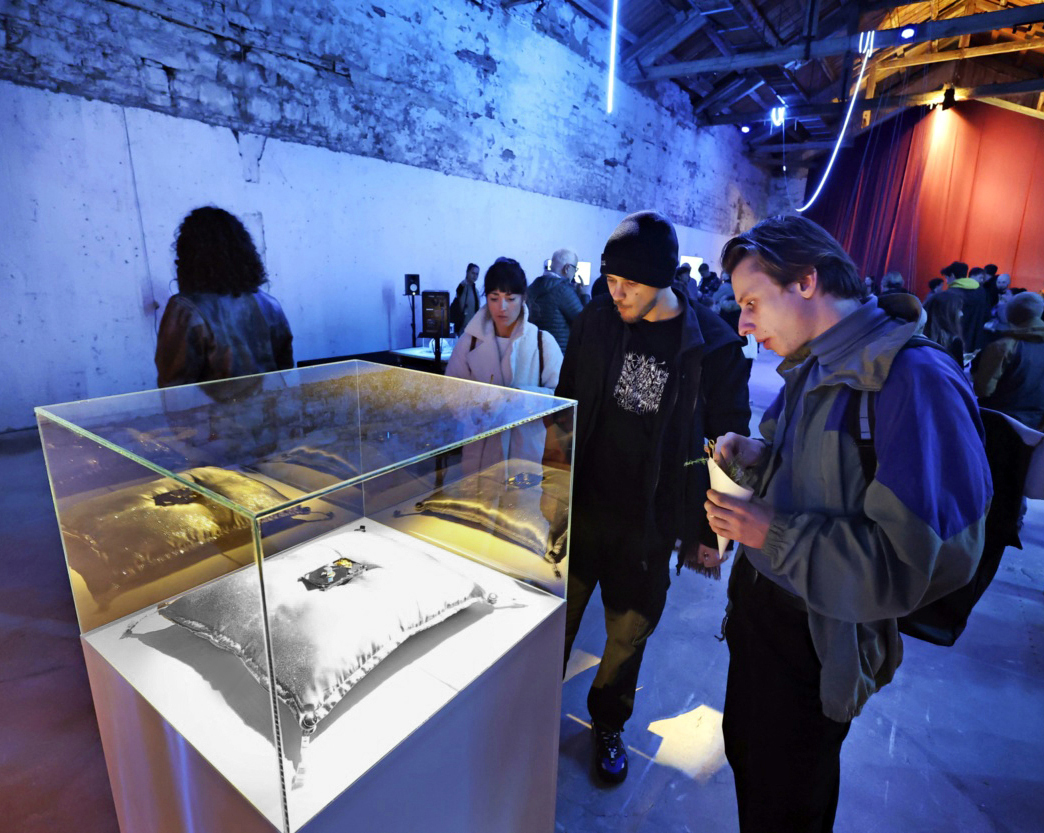
↑ exhibition opening · Photo Tomaž Primožic/FPA
⧉ slovensko
IZIS – 12. Festival avdiovizualne in novomedijske umetnosti 2024
SAMO NADZOR – skupinska razstava
Controllo automatico
Libertas, Koper
odprtje: 4. oktobra 2024
razstava: 5.-20. oktober 2024
kuratorka: Irena Borić
Igor Štromajer:
Expunction/Izbris, 2000 · 2011 · 2024
13. marca 2000 je spletni paraumetnik Igor Štromajer sprogramiral prvo znano umetniško delo za UMTS (Universal Mobile Telecommunications System) prenosne telefone, ki so za dostop do interneta uporabljali takratni standard WAP (Wireless Application Protocol). Naslov dela je bil wap.sonnet – microbe.4/wap.art, med tridesetimi drugimi datotekami, ki so sestavljale celoto, pa je delo vključevalo tudi datoteko z imenom ctrl.base.wml (1,29 kB), ki je bila zadolžena za nadzor in upravljanje spletnega umetniškega dela.
16. maja 2011 je, v okviru ritualnega brisanja svojih spletnih umetniških del, poimenovanega Expunction (Izbris), avtor s svojega strežnika intima.org izbrisal celotni wap.sonnet v velikosti 17 kB in z njim tudi datoteko ctrl.base.wml.
Na razstavi je predstavljen odprt računalniški disk Toshiba MK2109MAT 2GB 5.4K IDE 2.5″, na katerega je naložena ena sama, osamljena nadzorna datoteka; iz strežnika leta 2011 izbrisana, a skrbno hranjena v avtorjevem arhivu – ctrl.base.wml.
Arhiv + dokumentacija:
intima.org/ex + wap.art
razstavjajo:
Sara Bezovšek, Živa Božičnik Rebec, Marc Lee, Neža Knez in Vida Guzmić, Matej Mihevc, Petra Mrša, Martin Nadal, Sybille Neumeyer, OR poiesis (Petra Kapš), SOLL (Miro Roman, Silvio Vujičić), Igor Štromajer
Dvanajsta izdaja festivala IZIS v razstavnem in izvedbenem programu razgrinja tematiko nadzora in se sprašuje o protislovjih, ki jih pojem vsebuje. Z naslovom Samo nadzor festival zajema dialektiko med avtonomno in hierarhično kontrolo, a s prevodi Controllo automatico in Just control si prizadeva za plastenje pojma. Predstavljeni umetniki_ce se (samo)nadzora dotikajo preko okoljskih, vremenoslovnih, podatkovnih, igrifikacijskih in mehanskih sistemov ter tako razkrajajo njegovo negotovo dualnost.
V času svobodno jadrajočega nadzora smo pod kontrolo več kot kadarkoli prej in se, presenetljivo, pri tem lahko počutimo dokaj brezskrbno, celo varno. Mogoče temu pripomore umik mesta nadzora, ker ga hkrati lahko najdemo vsepovsod in nikjer. Če zaidemo na področje psihologije, je mesto nadzora ključno za razumevanje dejstva, kako oseba vidi vzroke za dogajanja v lastnem življenju. Tako imenovani lokus kontrole je lahko notranji če je oseba prepričana, da lahko nadzoruje lastno življenje. Po drugi strani zunanji lokus poudari prepričanje, da kontrola prihaja od zunaj, iz okolja in s strani drugih ljudi. Že v svoji umeščenosti ima občutek nadzora različno moč. Notranja kontrola daje vtis prevzemanja odgovornosti za lastno življenje, zunanja oblika pa kaže na lastno brezmočje.
Ali lahko digitalno okolje razumemo kot notranje mesto nadzora v razširjenem polju, kjer posameznik_ca pogosto razkriva svojo intimo, ki zajema vse od osebnih podatkov do osebnih strahov? Kako k temu pripomore razširjenost omrežij, ki omogoča vpetost hibridnih naprav v vse pore družbe, v politične in ekonomske enako kot v kulturne, naravne in čustvene? Kot v delu Protocol: How Control Exists after Decentralization (2004) ubesedi teoretik Alexander R. Galloway, je temeljno načelo omrežja prav kontrola, ne pa svoboda. Zato je razumevanje načina delovanja moči, v družbi nadzora, odvisna od razumevanja protokola, čigar politična ekonomija temelji na upravljanju, modulaciji in kontroli. Kot zapiše Galloway, »Tehnično in politično “družbe nadzora” izhaja iz kibernetičnih raziskav enako kot iz vojaško-industrijskega imperativa do “vladanja” nad informacijskimi sistemi. To zgodovinsko ozadje postavlja temelje za različne periodizacije in mutacije v življenju protokola.«
Nekakšno mutacijo omrežja vsebuje tudi pojem tehno-družbeno, ki ga teoretičarka Tiziana Terranova v eseju Colonial Infrastructures and Techno-social Networks (2021) opredeljuje kot obliko družbenega, ki pride po njegovem koncu. Za avtorico »ne gre niti za virtualno niti za globalno digitalno skupnost, temveč za sestavni del okolja, ki ga ustvari novo tehnično bitje – digitalno računalniško omrežje.« V istem eseju Ravi Sundaram izpostavi kalkulativno infrastrukturo sodobnega časa, ki razkriva, da je človeško življenje izrazito merljivo, v širšem kontekstu premikov sveta. Prav takšna infrastruktura lahko prinaša tehnologije nasilja in ekstrakcije kot posebne oblike kolonialne vladavine, ki jo poganjajo rasne in etnološke tehnologije. Zato sega onkraj človeškega življenja, zajema torej tudi širše okolje.
Meteorološki instrumenti, higrometri, barometri in drugi merilni instrumenti, ki v okolje umeščajo občutek kontrole, nabirajo podatke, ki bi lahko bili ključnega pomena za manevriranje skozi negotovo prihodnost. Hkrati pa se podatki ter instrumenti množijo in je nadzor le privid izhoda iz krize, saj vse pridobljeno znanje in podatki ne preprečijo talitve ledenikov ali izumrtja vrst. Zagata je v tem, da je danes delovanje strojev vse bolj avtonomno in vpliva tudi na človeka, na njegovo biološko regulacijo, celo na organe za nadzor telesa. Vprašanje pa je, kaj se zgodi, ko se tehnologija osamosvoji, odtuji ali preprosto zlomi? Na kakšen način se je v preračunanem vektorskem okolju možno zoperstaviti hladni regulaciji sveta?
Irena Borić, kuratorka Festivala IZIS

 intima.org · Igor Štromajer