Two books published this year in Portuguese that, among other things, also discuss Štromajer‘s net art works.
· Arte, Digital, Academia, Museu Zer0 Vol. 2, Porto, 2025
· Net Arte no Triângulo das Bermudas, Lisbon, 2025
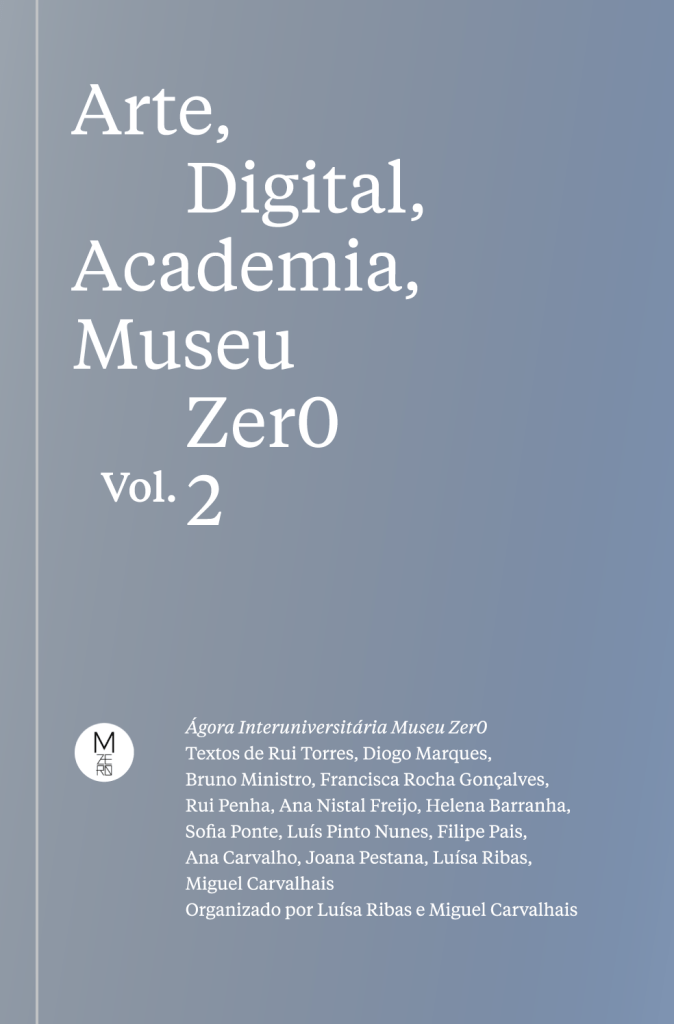
Arte, Digital, Academia, Museu Zer0 Vol. 2
Luísa Ribas and Miguel Carvalhais (Eds.), Porto, 2025
This book brings together texts in the fields of computational literature, sound art and computational music, digital art curation and exhibition, and critical digital art and design.
In her text A Curadoria Online e a Net Art em Portugal, Sofia Ponte mentions Štromajer‘s work i want to share you – what are you doing to me?.
Texts by Rui Torres, Diogo Marques, Bruno Ministro, Francisca Rocha Gonçalves, Rui Penha, Ana Nistal Freijo, Helena Barranha, Sofia Ponte, Luís Pinto Nunes, Filipe Pais, Ana Carvalho, Joana Pestana, Luísa Ribas, Miguel Carvalhais
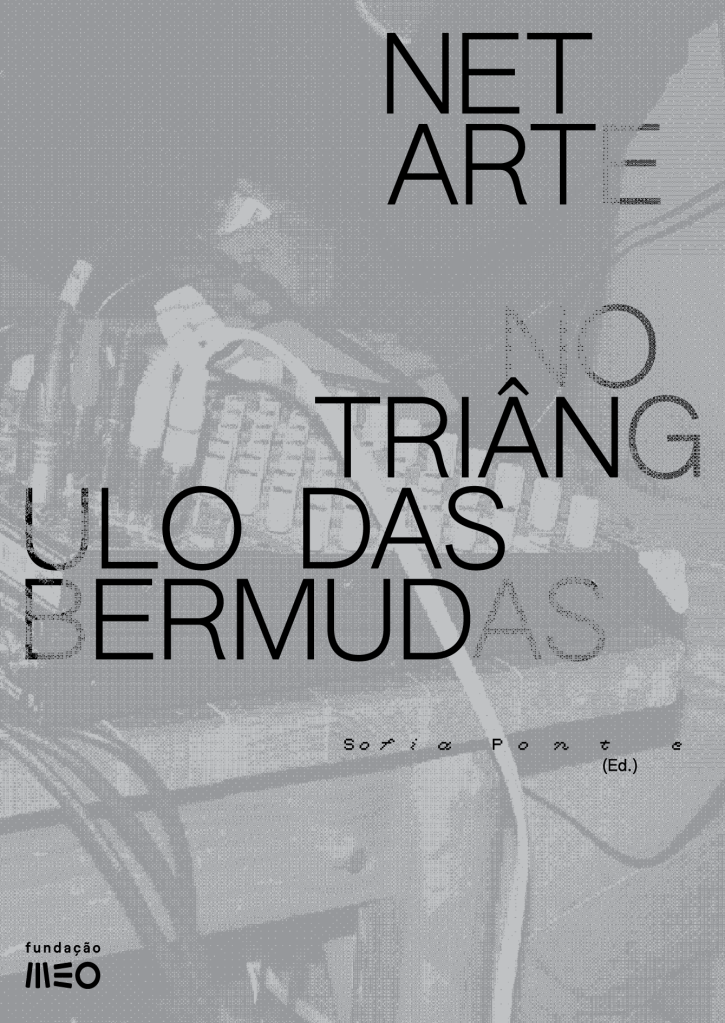
Net Arte no Triângulo das Bermudas (Net Art in the Bermuda Triangle)
Sofia Ponte (Ed.), MEO, Lisboa, 2025
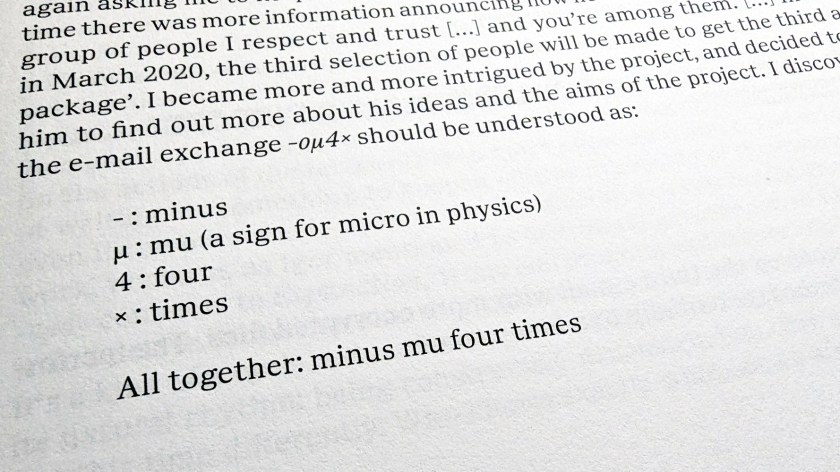
In her text Redes de Cuidado (Networks of Care), Annet Dekker discusses Štromajer‘s works Expunction and -oµ4×.
Texts by @c, Annie Abrahams, Beatriz Albuquerque, Mário Cameira, Joana Chicau, João Cruz, Annet Dekker, Daniel Pinheiro, Coletivo Pizz Buin, Sofia Ponte, Rudolfo Quintas, Alice dos Reis, Luísa Ribas, Luis D. Rivero-Moreno, Susana Mendes Silva, Rui Torres, Coletivo wr3ad1ng d1g1ts.
 intima.org · Igor Štromajer