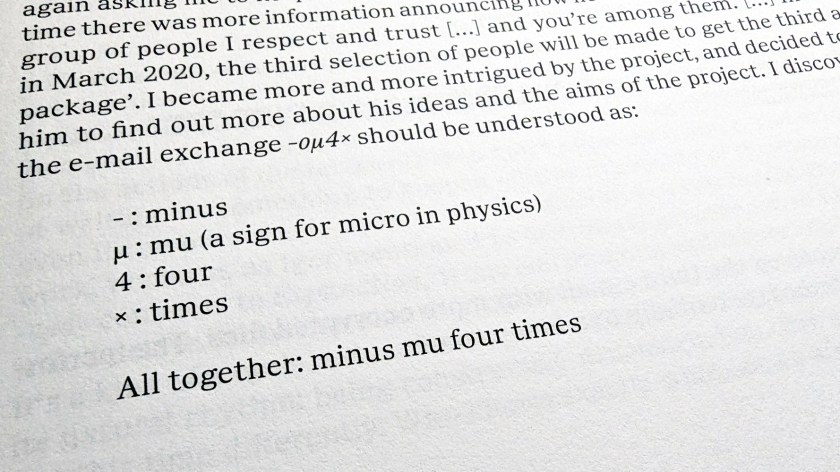
~ in her text Subject -oµ4× [AD]: An Email Correspondence, Annet Dekker provides an analysis and contextual reading of Igor Štromajer‘s works -oµ4× and Expunction.
Location & Context: The exhibition is situated deep within a forest, positioned at one of the rotating axis of Europe, where human presence is rare to non-existent, characterized by a lack of infrastructure, the absence of maintained paths, and an a-semiotic indifference to human-centric art protocols.
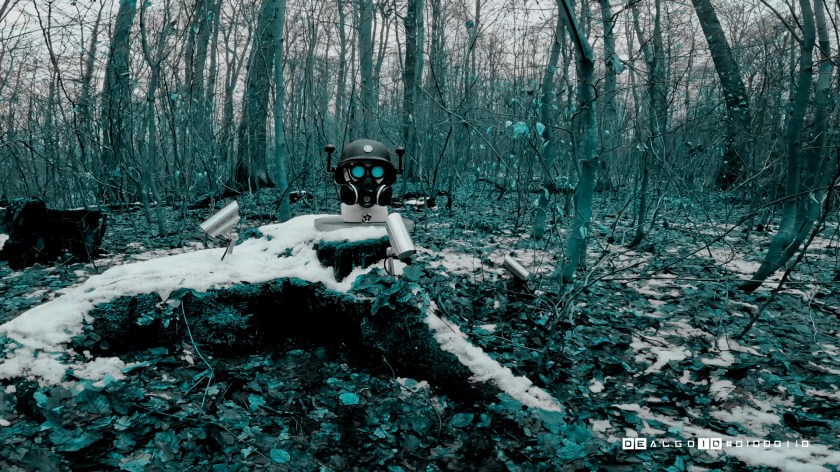
The Object: The central element is a de-digitalized sculptural installation derived from Štromajer‘s social media profile picture. Since 2014, he has used various iterations of the same profile image across all his social media accounts.
– Materiality: The image has been translated into a sculpture, a three-dimensional, analog form using industrial materials.
– Scale: The proportions are calibrated to exist in a 1:1 ratio with the surrounding environment, ensuring the object integrates into the forest landscape rather than dominating it.
Timing: The timing, February, is critical. The transitional state of the flora, the cold atmosphere, and the lingering patches of snow among the mud and dampness provide a neutral, non-decorative backdrop. Rather than standing in contrast to its surroundings, the object integrates into this grey light and saturation. It dissolves into the void of the late-winter forest, becoming a seamless part of the landscape’s stillness and material weight.
Spatial Configuration
– Placement: The sculpture is positioned within a cluster of non-human entities and indifferent, non-artistic matter (trees, rocks, undergrowth). Its placement mimics the formal logic of an exhibition space but is fundamentally devoid of any artistic infrastructure. To the forest, the sculpture is not a work of art, but merely another object with a specific mass and temperature. A tree does not touch it with admiration, it rubs against it simply because it occupies space. Indifferent matter does not attempt to read the sculpture. To a rock, this object means nothing. This silence, this total unresponsiveness of the environment to artistic intent, is what definitively de-digitalizes the sculpture. When matter is indifferent, the object finally becomes autonomous. It no longer needs to perform. In a gallery, the object is a slave to the visitor’s gaze. In an indifferent forest, it simply is.
– Access: There are no markers, signs, or directions provided.
– Absence of Protocol: The exhibition does not have an opening or a designated viewing protocol for human visitors, nor does it provide one for non-human entities. It does not seek an audience, it merely occupies space.
Non-Human Interaction
The exhibition is structured to exist primarily for the environment, without the requirement of being seen.
– Analog Persistence: The object exists in a state of total disconnect from the human feedback loop. It stands as a physical remainder of a digital identity that has ceased to transmit, in a space that no longer requires interpretation.
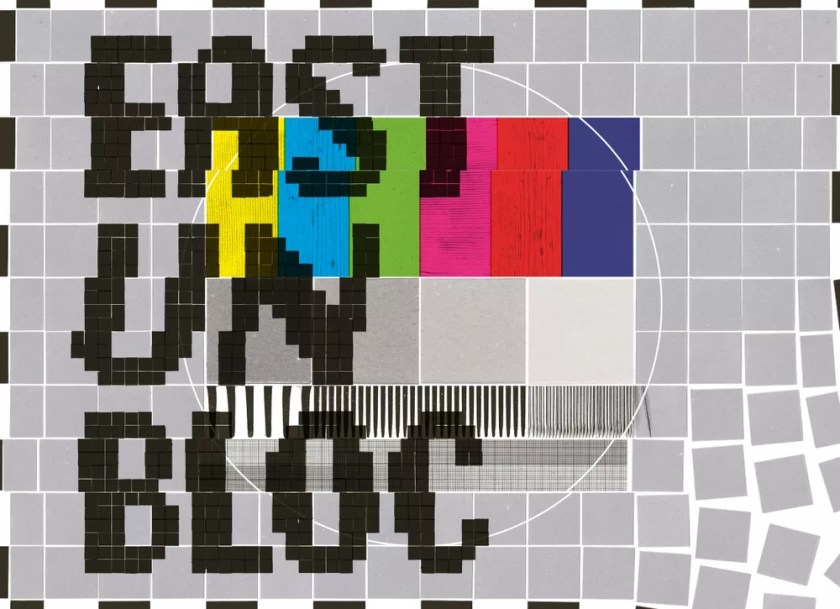
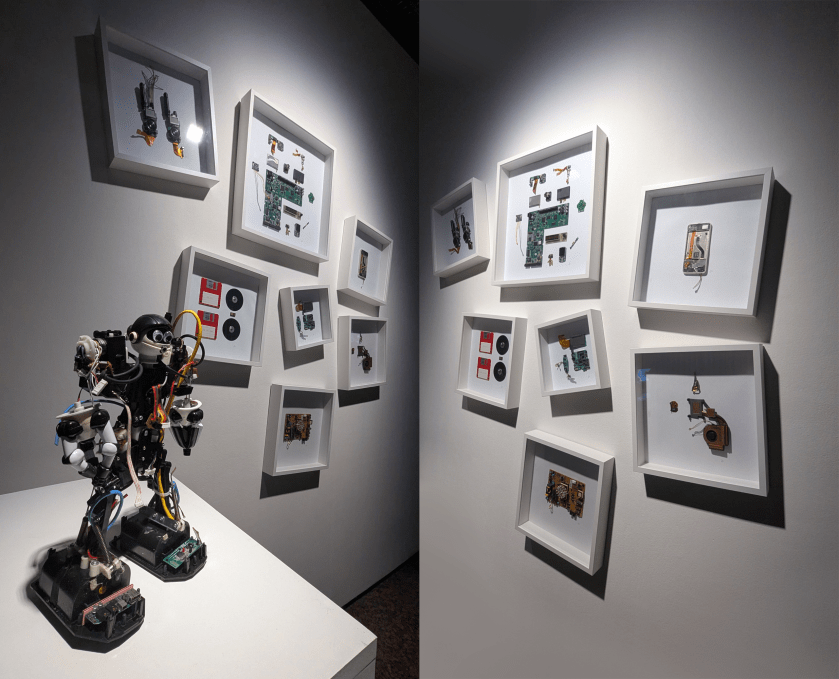
“nGbK Berlin‘s EastUnBloc examines the permeability of the ‘Iron Curtain’ through the lens of experimental media art by more than two dozen artists and collectives from socialist and transition-era Central and Eastern Europe. From Slovak homebrew computer games, to Igor Štromajer’s hardware hacks, to the set of Hungary’s guerilla Vákuum TV: the included pieces counter clichés of socialist conformity and reveal the many inventive strategies—’scripts’—of making do.”
“Experience the 7th edition of The Wrong Biennale upside down! — a continuing and evolving project that has captivated audiences through several editions. A visionary creation by Igor Štromajer (aka Intima).”
“Watch out for false artists. They come to you in artists’ clothing, but inwardly they are lifeless algorithms.”
— Mathview 7:15







 intima.org · Igor Štromajer