
Author: intima.org
NON-ART
A freely accessible version of the Large Language Model was instructed to write a short essay on non-art entirely on its own, in a single nonchalant sweep and without any human intervention, whether content-related, theoretical, stylistic, or grammatical. The version employed was OpenAI GPT-5 [Free], August 2025 release.
[slovenska verzija je spodaj: NEUMETNOST]
Internet, 14 August 2025
↓
NON-ART
a=tF²: Non-Art as the Product of Time and the Square of Force
ᅠ
Introduction: An asymmetric premise
Non-art represents a concept that eludes classical attempts at definition, since it can only be approached through a cut or an opening that carves into its own inability to be named. While the predictable horizon of definition promises stability, this specific cut brings an unresolved wound, an incision without a scar, where the imprint of incompleteness causes the scar to actually precede the wound, while the wound itself emerges from its own oblivion.
In this context, non-art acts as both a precondition and a consequence of its own construction. It constitutes a precondition due to the inevitability of representational failure, and it remains a consequence because it constantly reproduces its own negation as a way of persisting. Identity collapses within what might be called the interval of coherence, where we face an excessively precise difference that traverses every point and deprives it of stability, completely displacing the idea of a void between two points of meaning. Within this tension and in the rhythm of appearance and disappearance, the experience of non-art abandons convergence or divergence in favor of constant lateral displacement or tangential sliding. Movement takes place from one displacement toward the next and completely renounces the linear journey from something toward something else.
Domitia Verne writes in her 1974 work Topology of Sub-absence that non-art is merely a discipline of delay, where delay does not act as a temporal interval but as an ontological derivative that deprives every phenomenon of the possibility of becoming an event. Such a delay does not appear as a euphemism for indeterminacy, but represents a rigorous form and a simultaneous decay of form through which non-art ensures that meaning maintains a constant state of pre-ripening and post-ripening, thereby avoiding the ripening process itself.
└⦿✚⦿┘

Net Art Books, Portugal
Two books published this year in Portuguese that, among other things, also discuss Štromajer‘s net art works.
· Arte, Digital, Academia, Museu Zer0 Vol. 2, Porto, 2025
· Net Arte no Triângulo das Bermudas, Lisbon, 2025

Arte, Digital, Academia, Museu Zer0 Vol. 2
Luísa Ribas and Miguel Carvalhais (Eds.), Porto, 2025
This book brings together texts in the fields of computational literature, sound art and computational music, digital art curation and exhibition, and critical digital art and design.
In her text A Curadoria Online e a Net Art em Portugal, Sofia Ponte mentions Štromajer‘s work i want to share you – what are you doing to me?.
Texts by Rui Torres, Diogo Marques, Bruno Ministro, Francisca Rocha Gonçalves, Rui Penha, Ana Nistal Freijo, Helena Barranha, Sofia Ponte, Luís Pinto Nunes, Filipe Pais, Ana Carvalho, Joana Pestana, Luísa Ribas, Miguel Carvalhais

Net Arte no Triângulo das Bermudas (Net Art in the Bermuda Triangle)
Sofia Ponte (Ed.), MEO, Lisboa, 2025
In her text Redes de Cuidado (Networks of Care), Annet Dekker discusses Štromajer‘s works Expunction and -oµ4×.
Texts by @c, Annie Abrahams, Beatriz Albuquerque, Mário Cameira, Joana Chicau, João Cruz, Annet Dekker, Daniel Pinheiro, Coletivo Pizz Buin, Sofia Ponte, Rudolfo Quintas, Alice dos Reis, Luísa Ribas, Luis D. Rivero-Moreno, Susana Mendes Silva, Rui Torres, Coletivo wr3ad1ng d1g1ts.
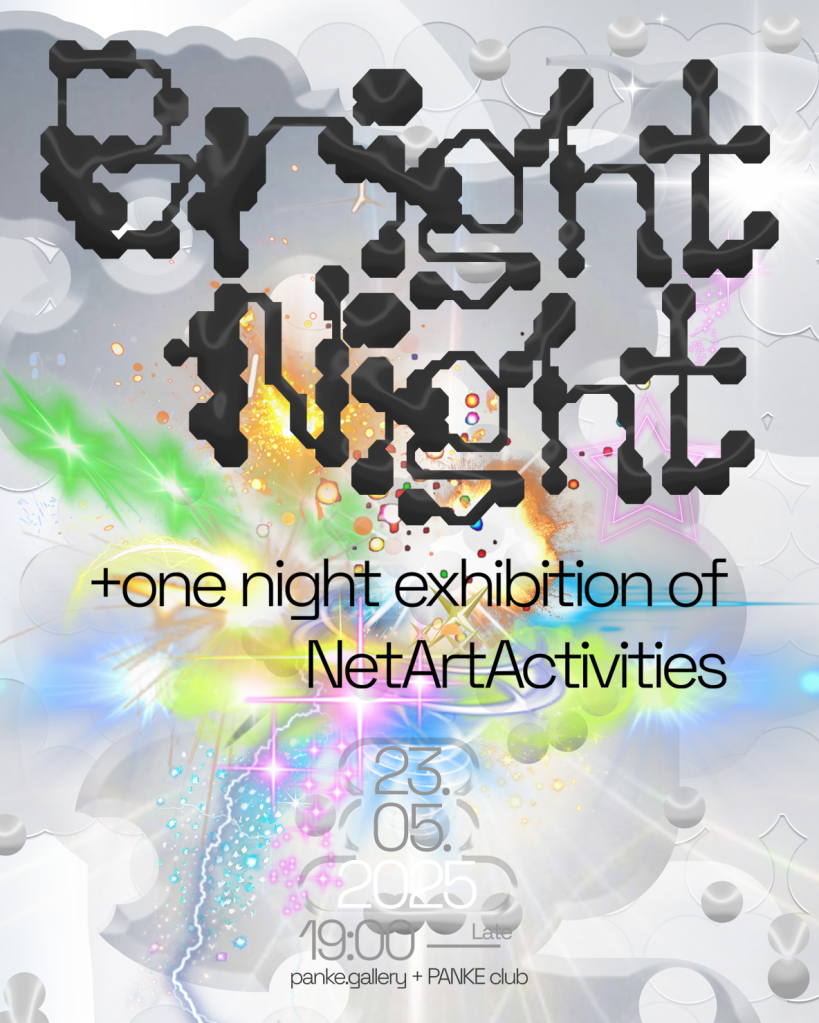
Bright Night Berlin
Bright Night – In Between
exhibition of net art activities + sound night
panke.gallery, Berlin
23 May 2025
7 pm ~ 4 am
Artists at the exhibition:
Amy Alexander, Vuk Ćosić, Constant Dullaart, Sarah Friend & Arkadiy Kukarkin, JODI, Olia Lialina, Jonas Lund, Joana Moll, Everest Pipkin, Sebastian Schmieg, Yehwan Song, Miyö van Stenis, Igor Štromajer & Brane Zorman
· curated by Sakrowski
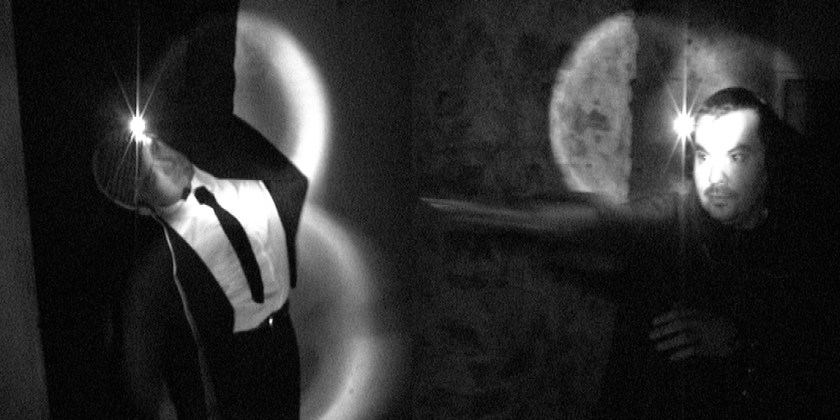
Igor Štromajer & Brane Zorman:
Ballettikka Internettikka
Internet Ballet (28 March 2002)
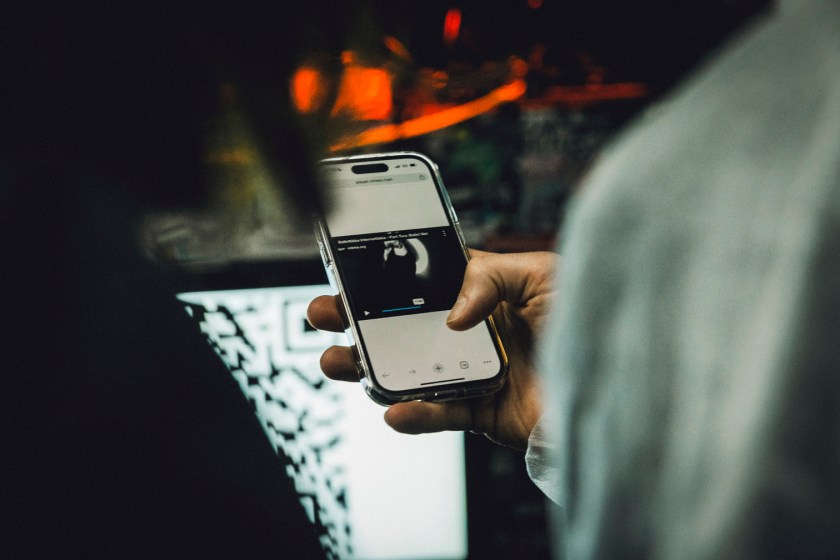
video doc (20:42)
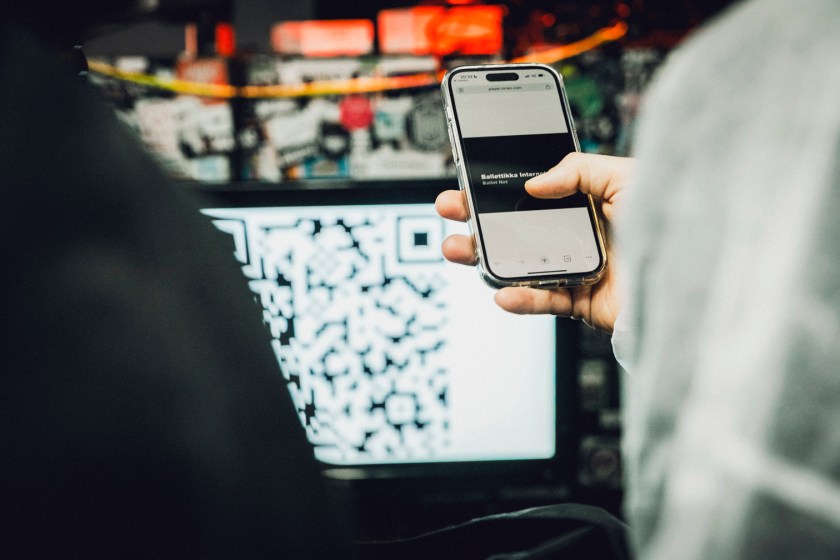
📷 Galya Feierman at panke.gallery
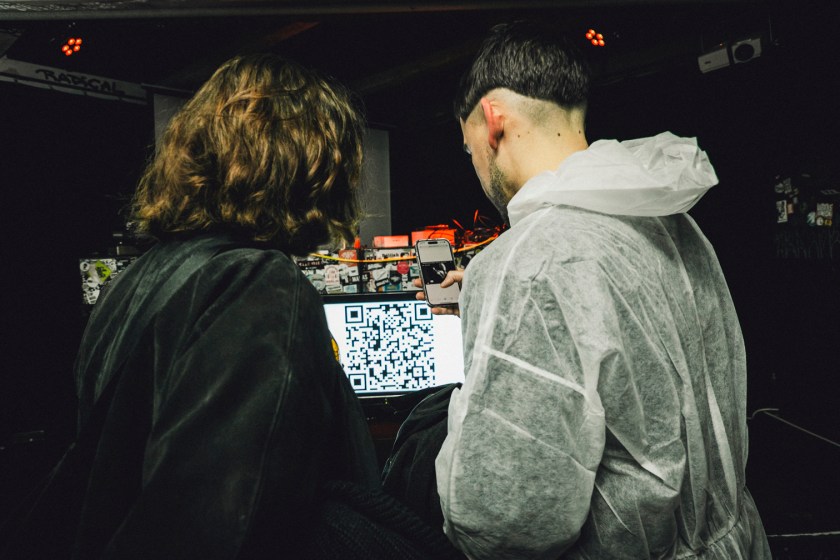
└⦿✚⦿┘



Unicode poems in Zagreb
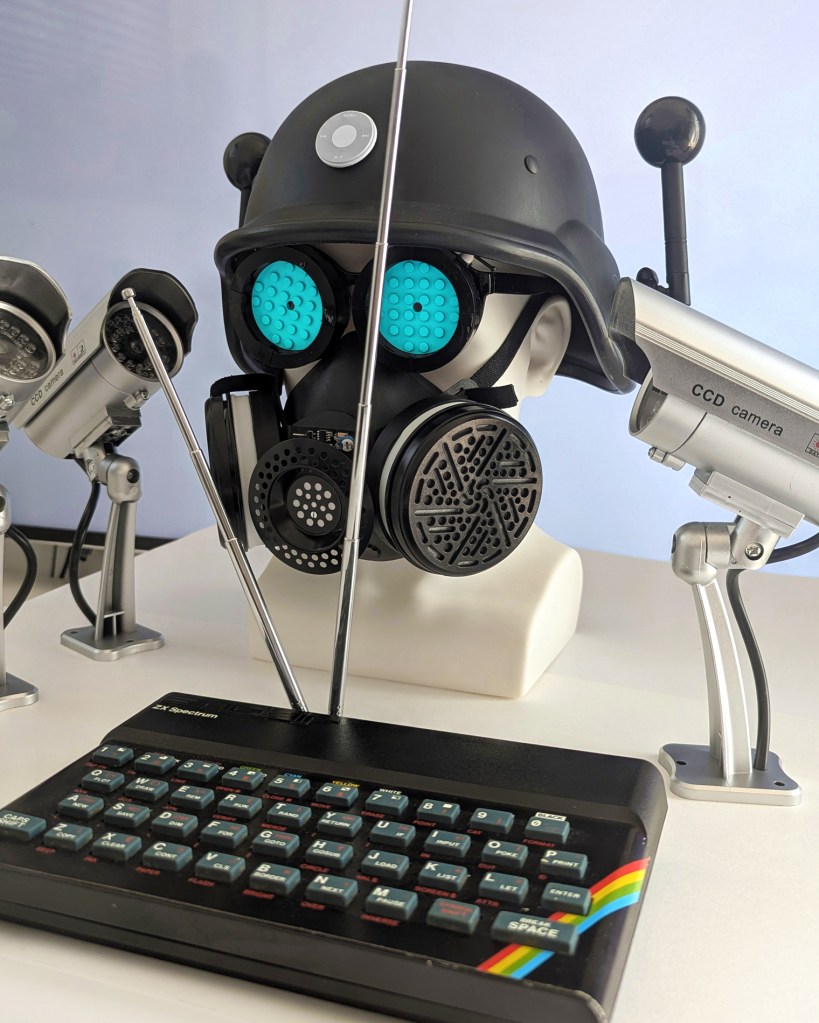
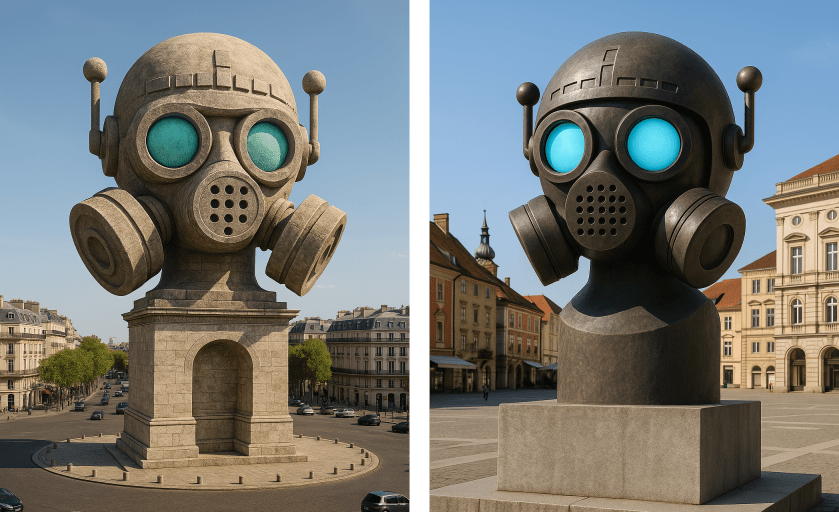
3¦×Fñ-Qé3=Mià+
one hundred and one poems co-written by a human and a machine
📍 Booksa / Kulturtreger
Thursday, 13 March 2025 at 19:30
Martićeva 14D, Zagreb
· in collaboration with Format C / Hacklab01 / MaMa

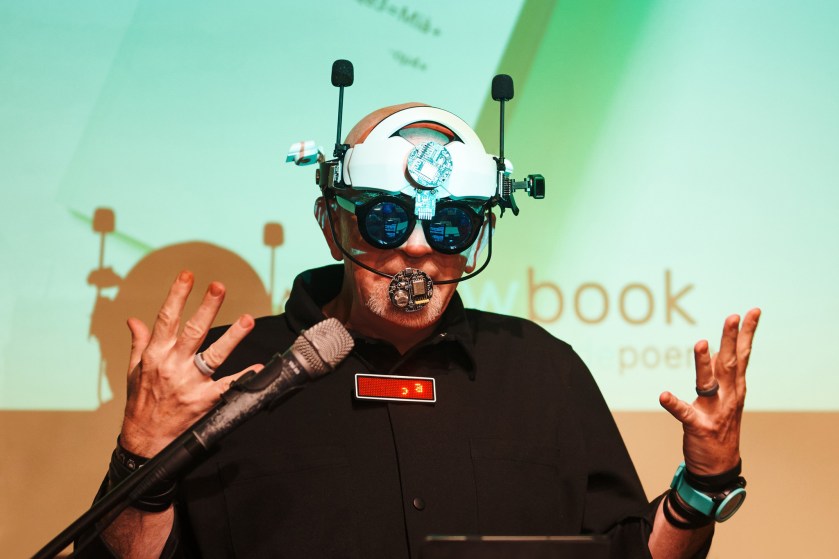
The Zagreb launch of the latest collection of computer-generated poems by Igor Štromajer and his computers took place on Thursday, 13 March 2025 at 19:30 at Booksa – in collaboration with Format C / Hacklab01 / MaMa.
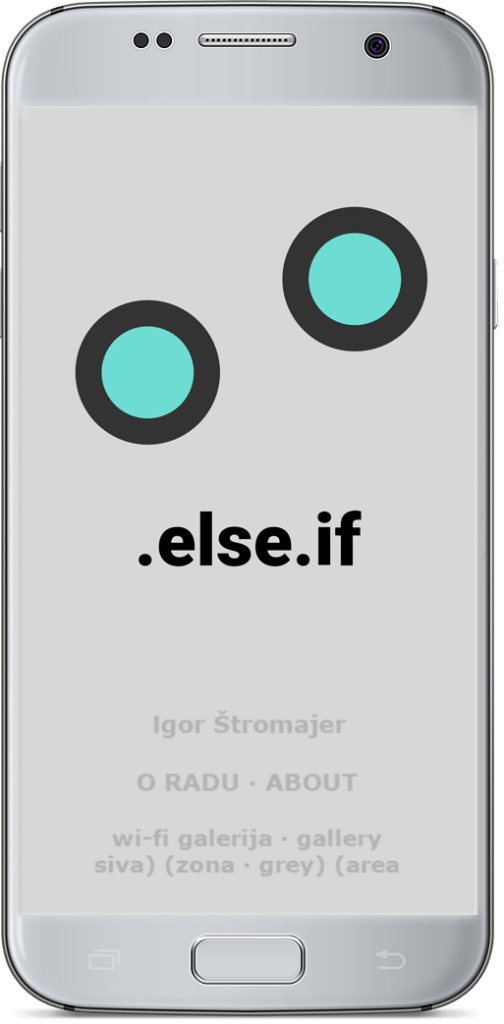
.else.if – grey) (area
.else.if
by Igor Štromajer
HTML · JavaScript, 2025
solo exhibition
1 March – 1 June 2025
Wi-Fi Gallery grey) (area
St. Mark’s Square, Korčula, Croatia
Curator: Darko Fritz
· galerija siva) (zona
· ten Unicode poems co-written by a human and a machine
Total Screen Time, Berlin
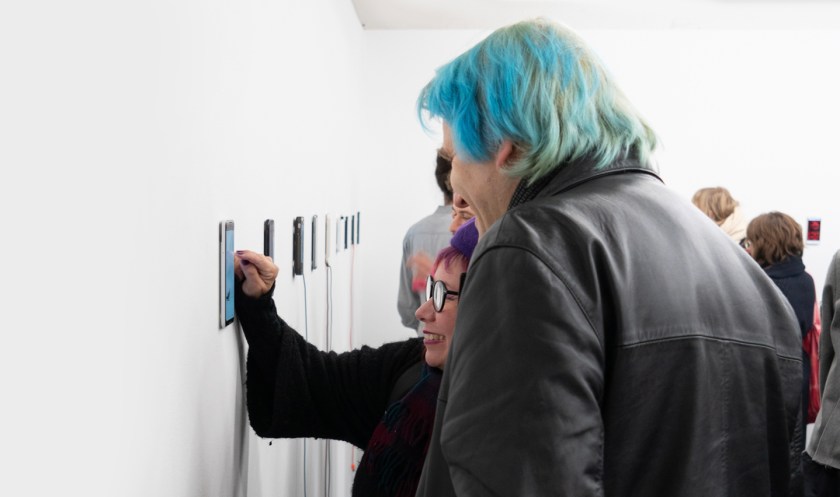
Total Screen Time – Brainrot
— group show · a one-night exhibition on phones
panke.gallery, Berlin
Saturday, 1 February 2025
18:00 – 21:00
· curated by Aram Bartholl and Socrates Stamatatos
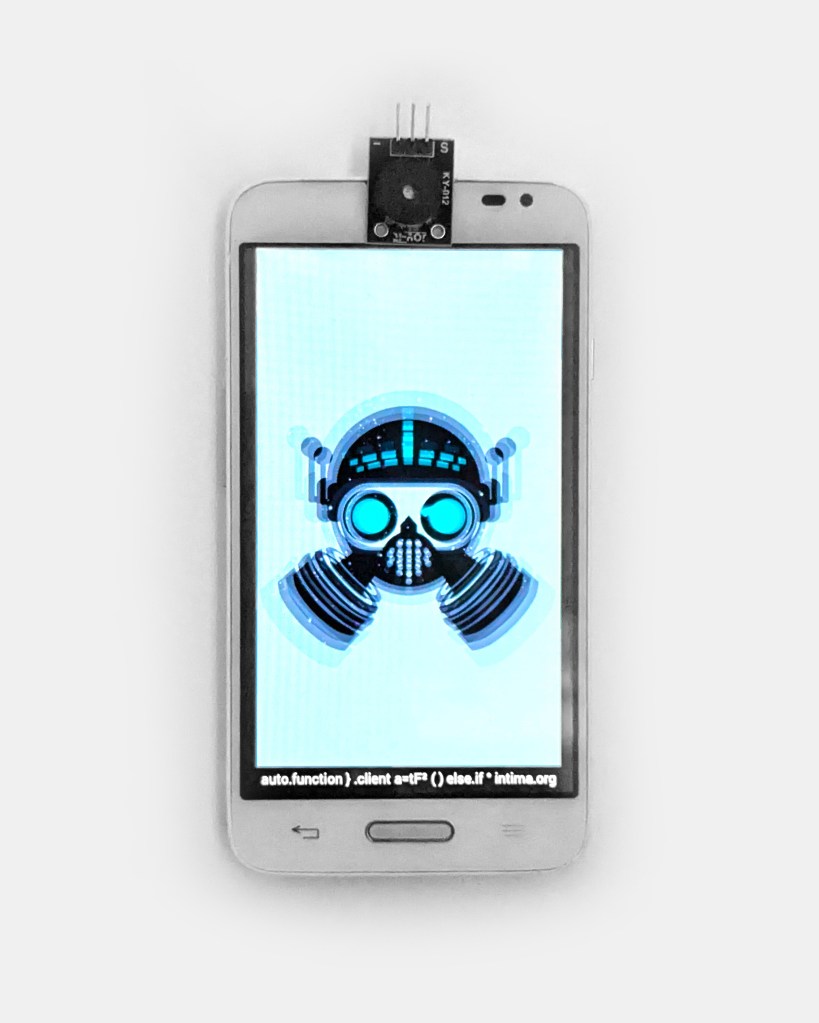
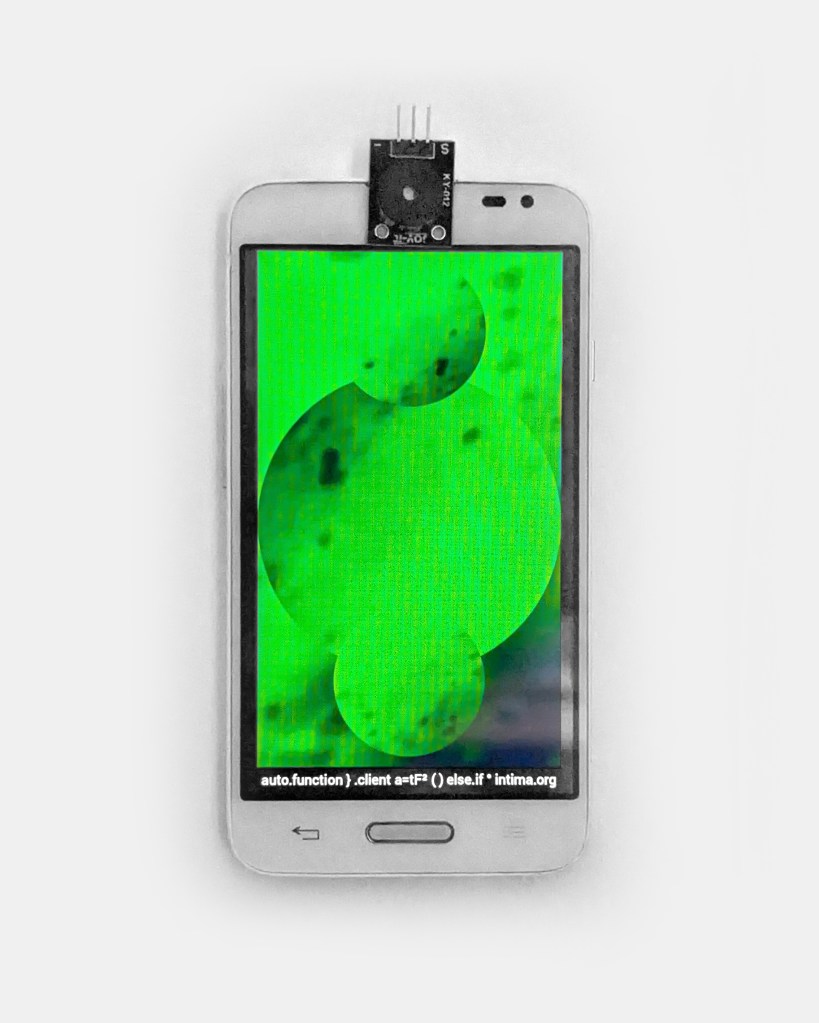
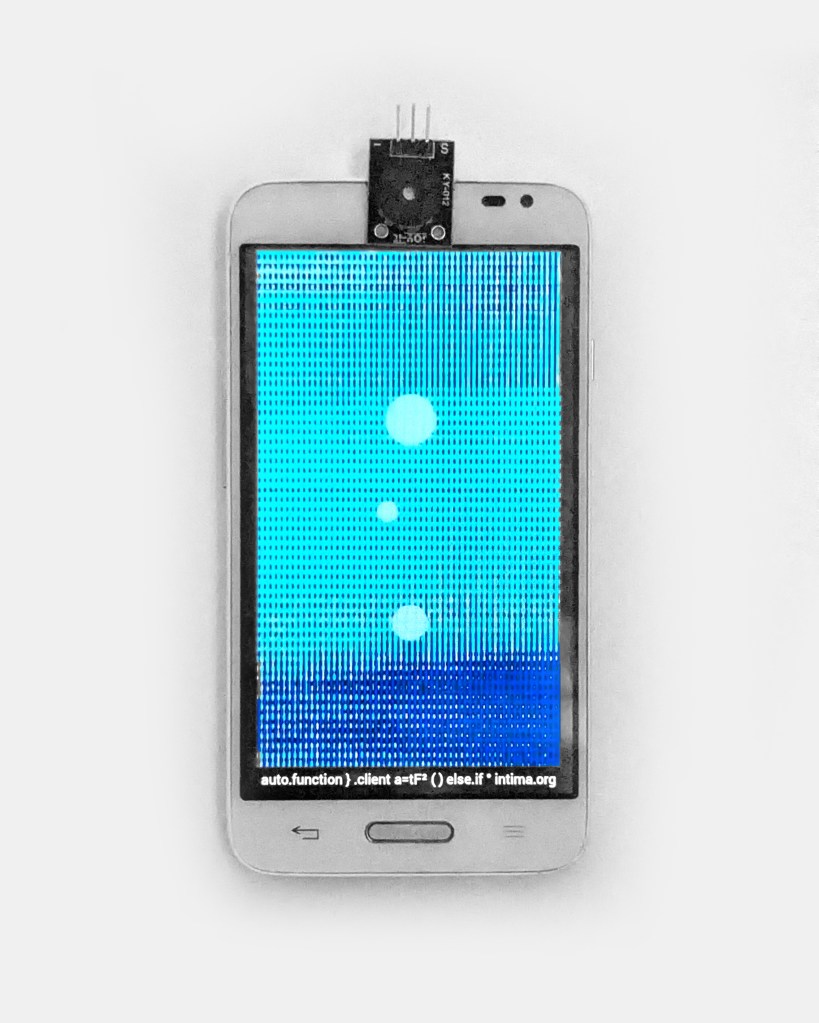
↑ auto.function } .client a=tF² () else.if

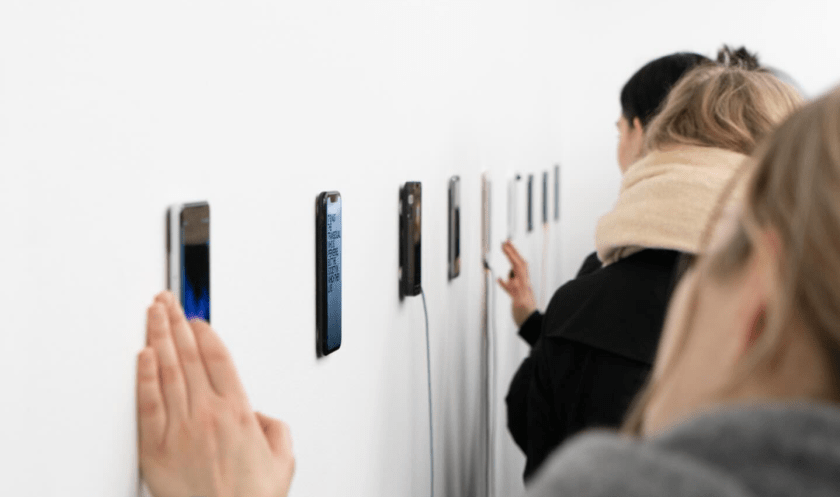
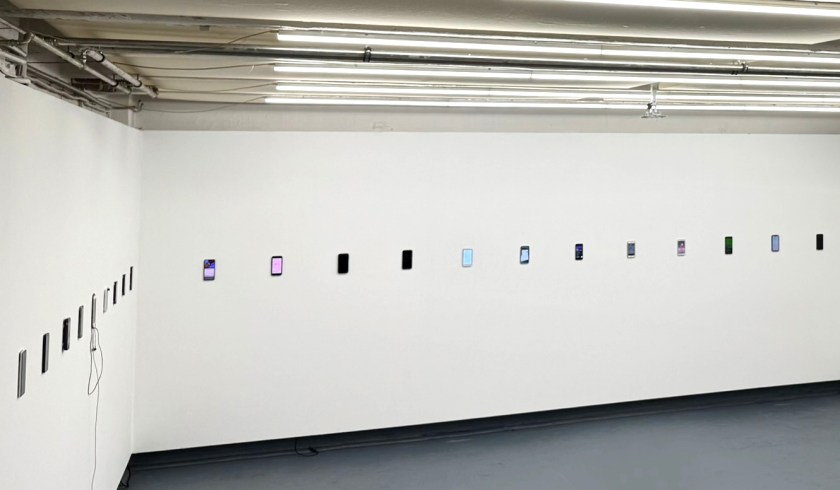

Igor Štromajer participates with the work:
auto.function } .client a=tF² () else.if
(2025)



 intima.org · Igor Štromajer