.else.if – grey) (area

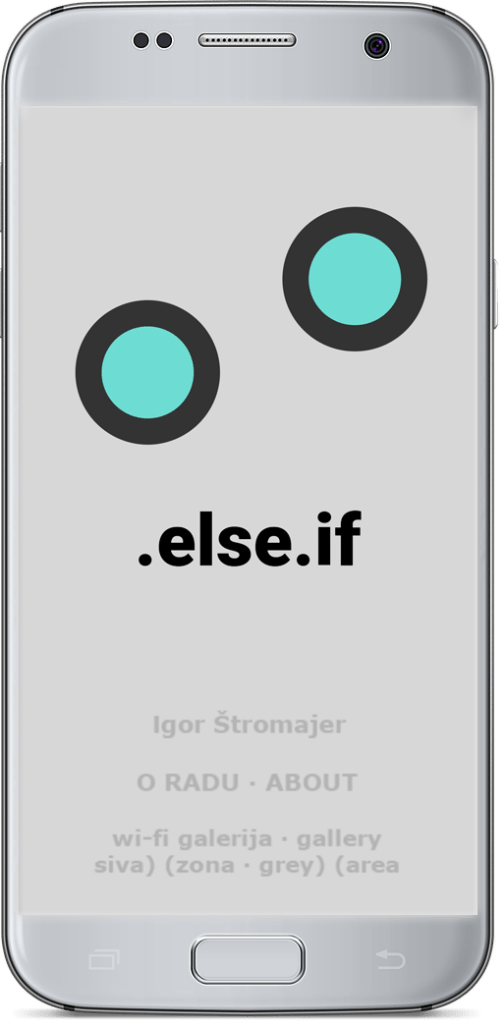
.else.if

by Igor Štromajer
HTML · JavaScript, 2025
solo exhibition
1 March – 1 June 2025

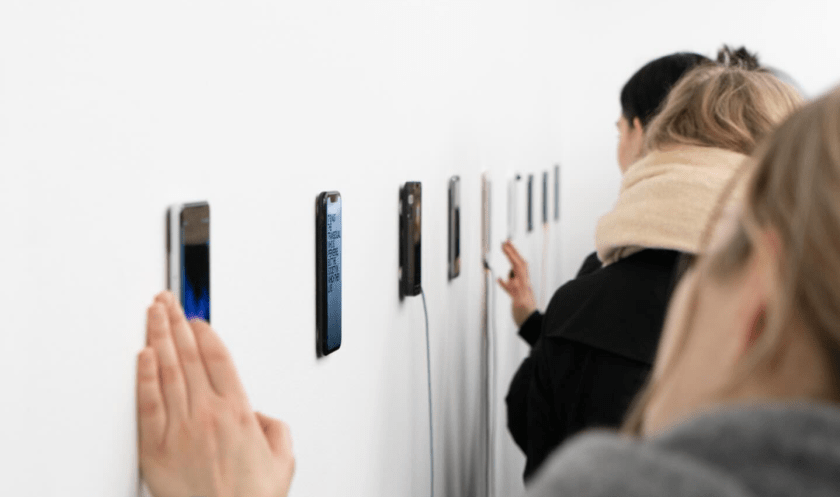
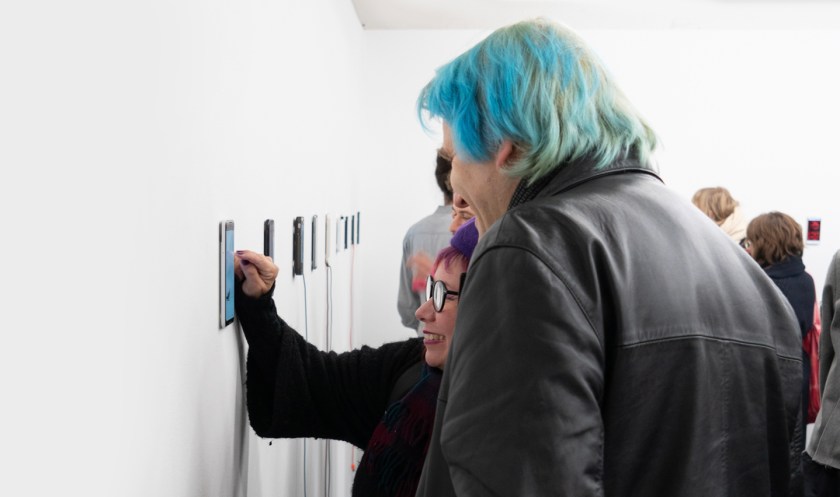
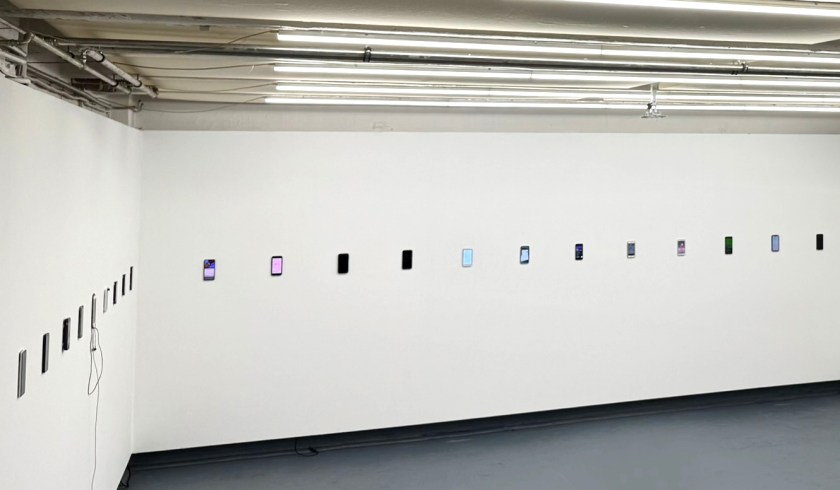
Wi-Fi Gallery grey) (area
St. Mark’s Square, Korčula, Croatia
Curator: Darko Fritz
· galerija siva) (zona

 · ten Unicode poems co-written by a human and a machine

Continue reading “.else.if – grey) (area”

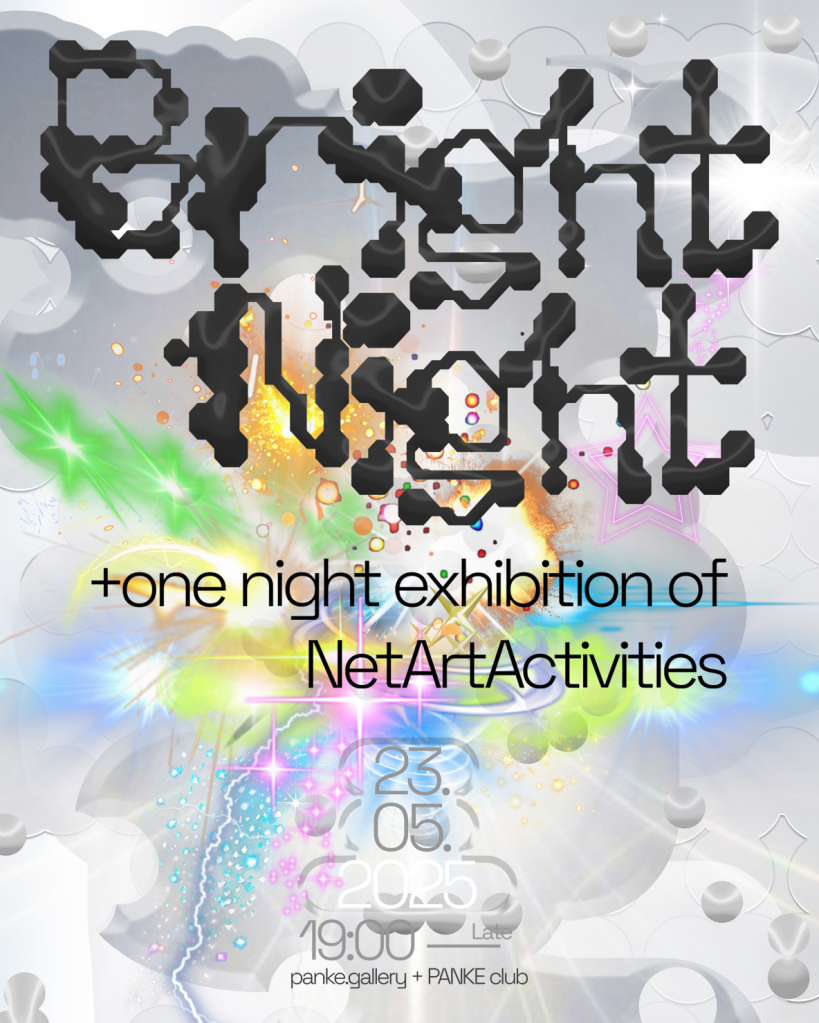
Total Screen Time, Berlin

Total Screen Time – Brainrot
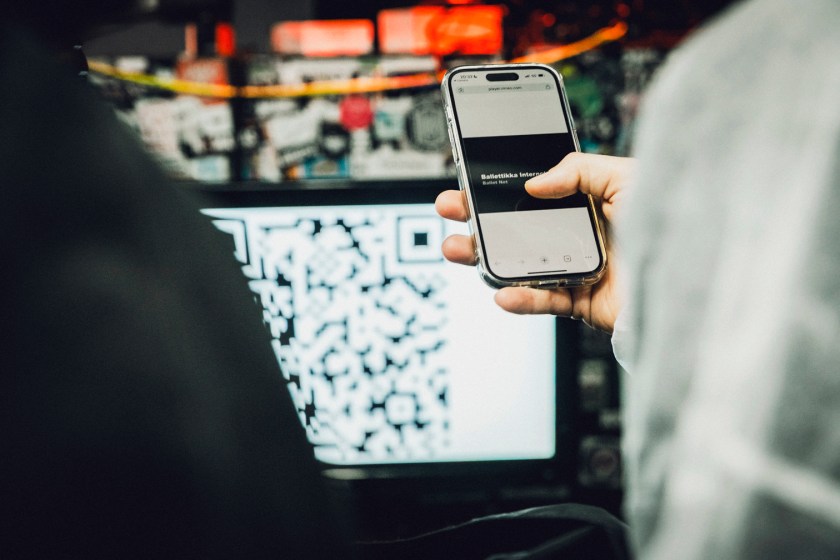
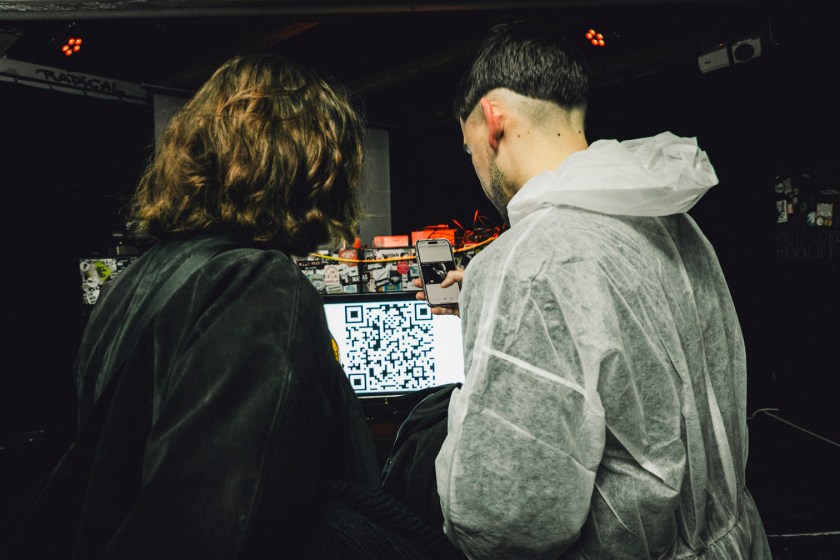
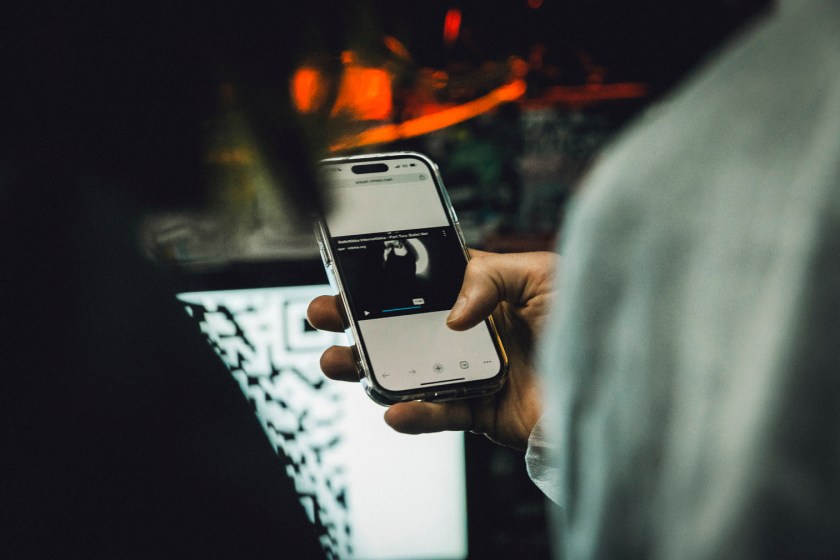
— group show · a one-night exhibition on phones
panke.gallery, Berlin
Saturday, 1 February 2025
18:00 – 21:00

· curated by Aram Bartholl and Socrates Stamatatos

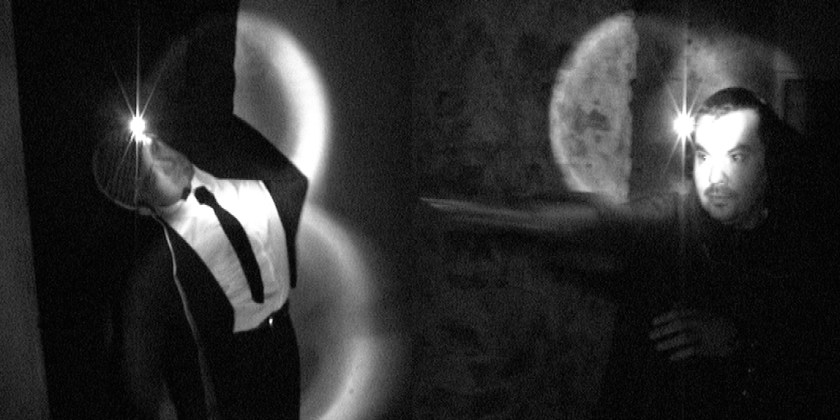
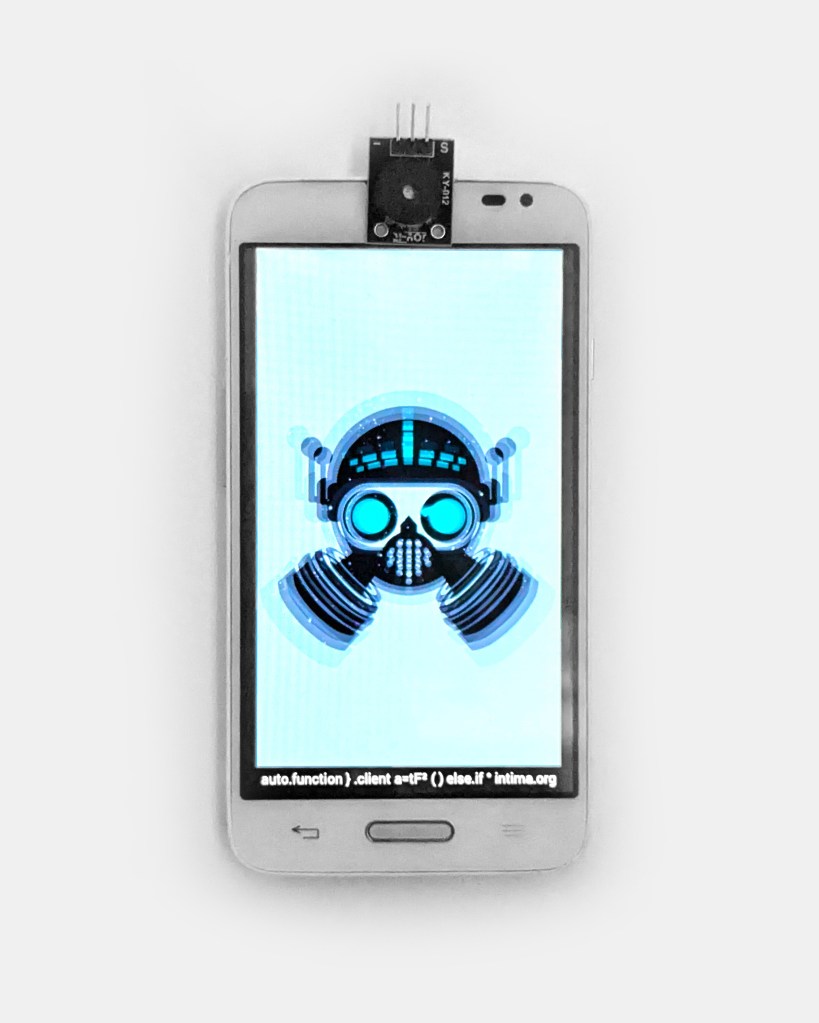
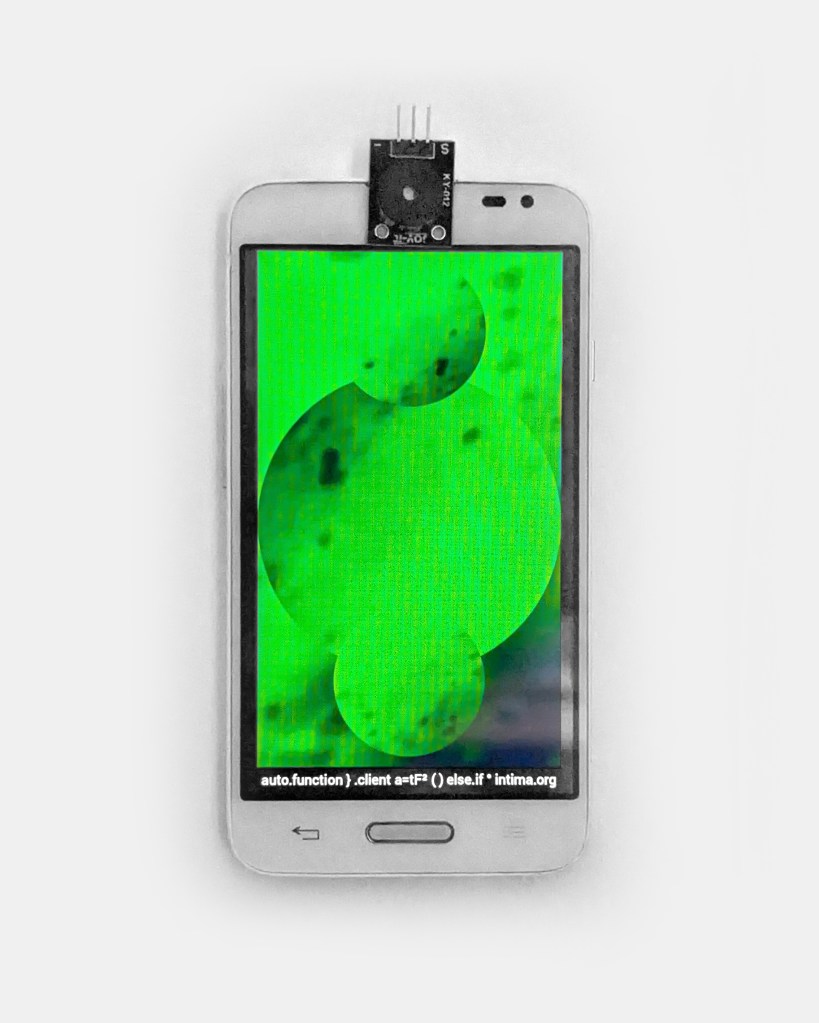
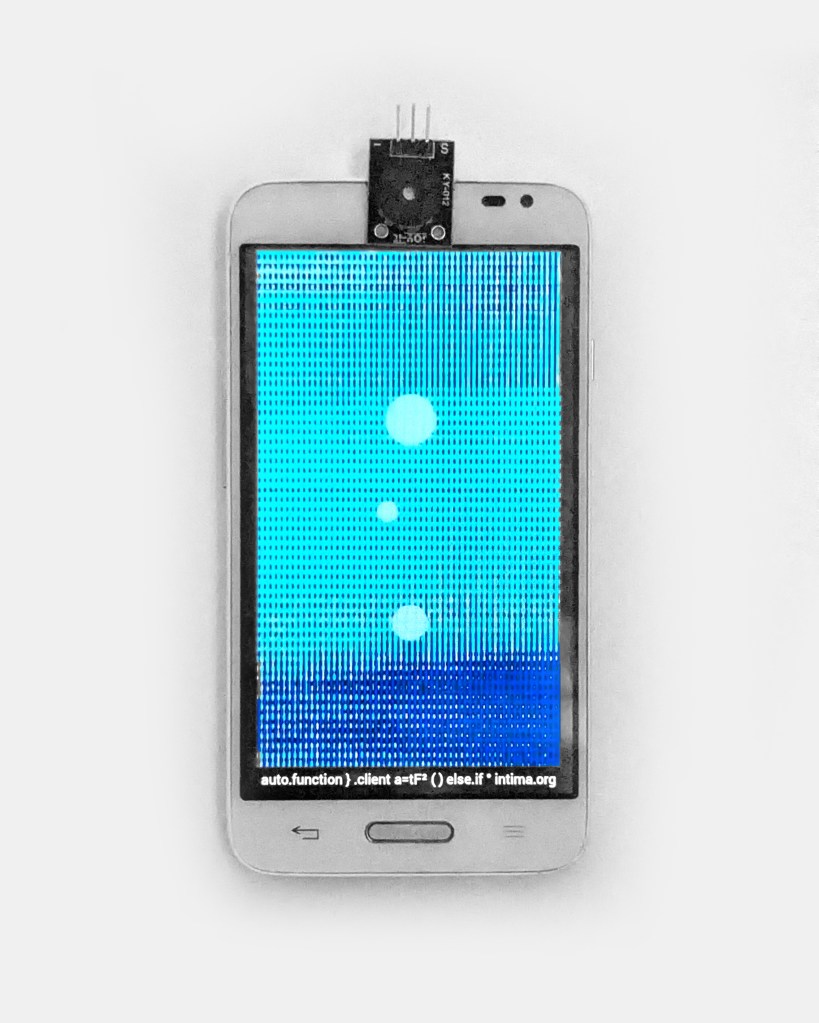
↑ auto.function } .client a=tF² () else.if

Igor Štromajer participates with the work:
auto.function } .client a=tF² () else.if
(2025)

Continue reading “Total Screen Time, Berlin”

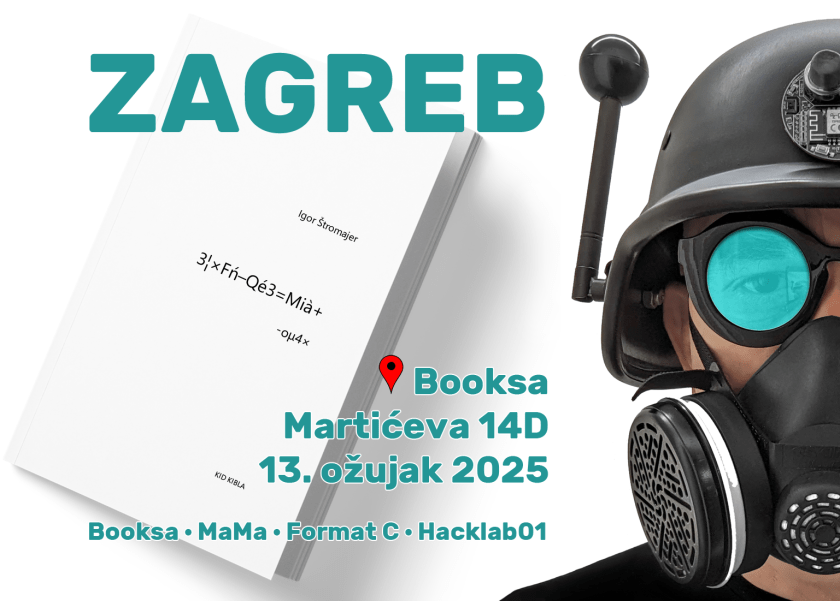
Unicode poems in Berlin

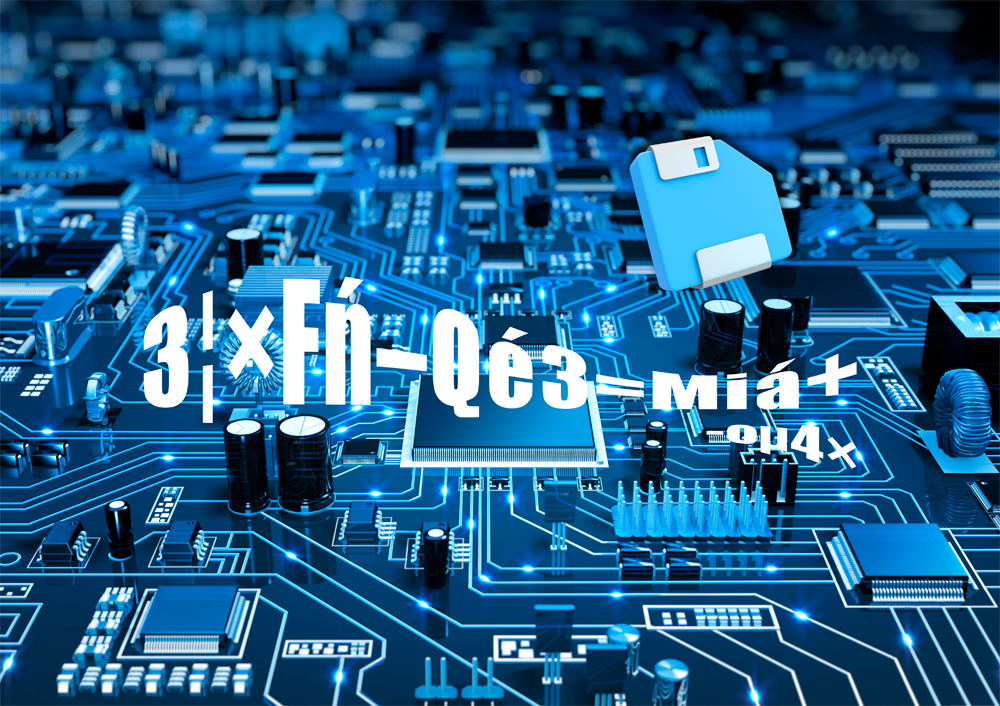
3¦×Fñ-Qé3=Mià+
one hundred and one poems co-written by a human and a machine

Berlin presentation

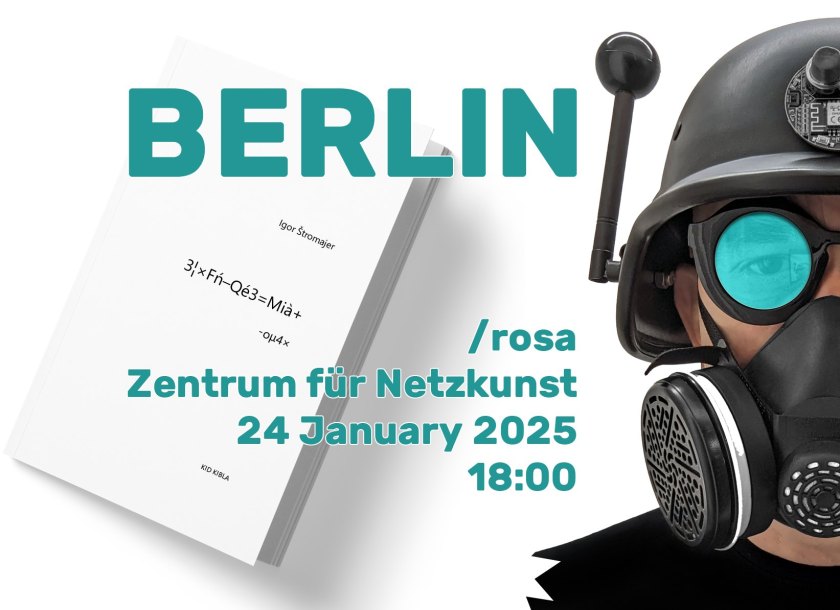
/rosa Zentrum für Netzkunst
Friday, 24 January 2025 at 6 pm
Heidelberger Str. 28, 12059 Berlin, Alt-Treptow/Neukölln

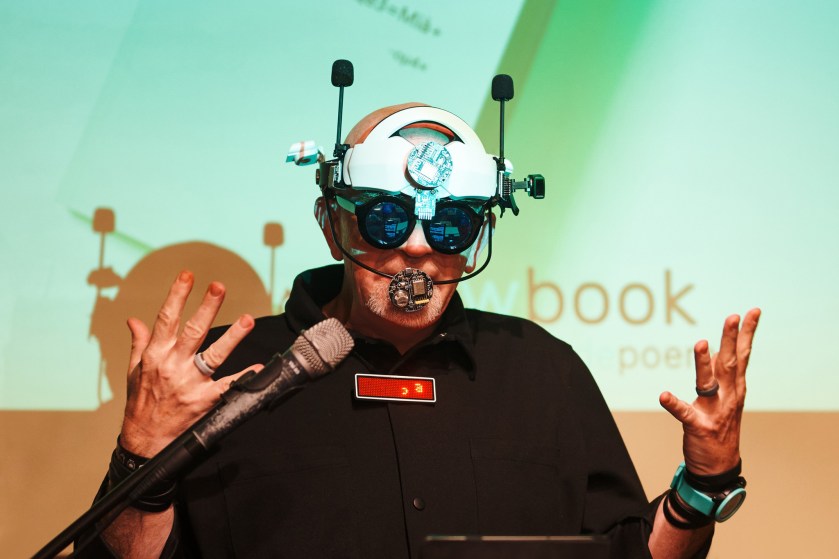
The Berlin launch of the latest collection of computer-generated poems by Igor Štromajer and his computers took place on Friday, 24 January 2025 at 6 pm at /rosaZentrum für Netzkunst, a Berlin project space specializing in reconstructing, archiving, contextualizing, maintaining and preserving net art and net culture.

The poems were generated between 2013 and 2018 by semi-automatic conversion of .jpg and .gif image files from the author’s deleted net art works [1996-2007; 2011] into text form using the Unicode Encoding Standard.

The Berlin presentation was organized with the kind support of the Slovenian Cultural Information Center SKICA Berlin.

skica-logo

· published by KIBLA, Maribor, November 2024

· Zentrum für Netzkunst Berlin

artKIT · 3¦×Fń–Qé3+

Igor Štromajer
3¦×Fń–Qé3=Miá+
-oµ4×

solo show
22 November 2024 – 11 January 2025
artKIT
· opening: Friday, 22 November at 18.00

stromajer-kibla-2024-01

1. Exhibition

×›lëśßwp^Ů ßc W Ýc}= Ýľ ď +Î×Ö÷}=÷ č ª 6P íŐ¦§]s[)m}=ă{ ›u ﬦ¹^°_÷ï é–Łnß 3

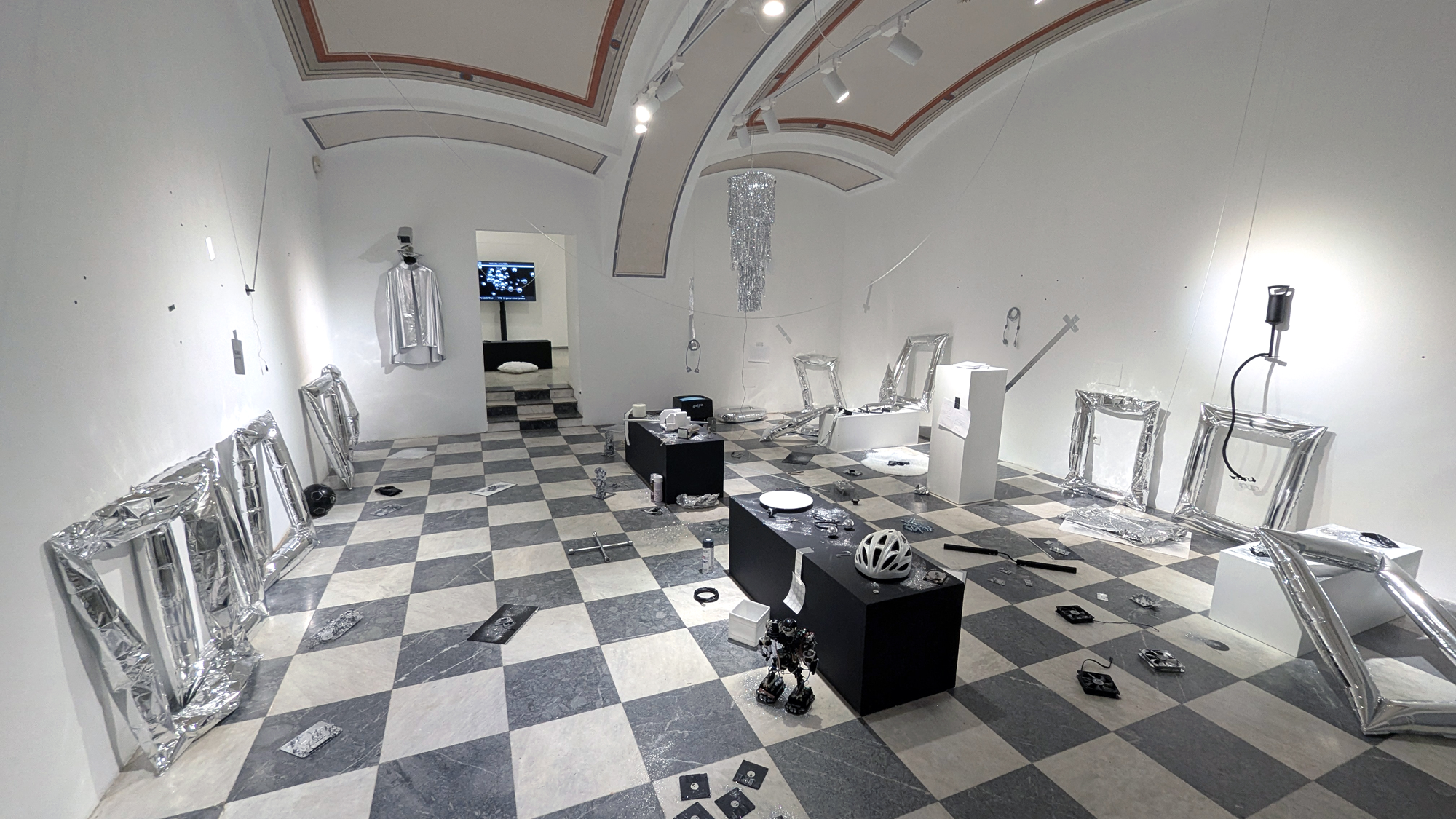
Štromajer exhibits random objects that the electric poet needs for his work, as well as parts of machines and defunct computer equipment that processed the Unicode poems and contributed to the creation of the book. The author’s basic premise is that (para/non)art resides not only in the idea, in the concept, i.e. not only in the nominal and the declared, in itself, but equally in the tools and machines that produce it. The machines that generate it are an indispensable part of it.

3¦×Fń-Qé3=Miá+ is part of Štromajer‘s years-long process of dedigitalization, from the deletion of his net art works in 2011 to the present, because the only way to liberate ourselves from feudal techno-capitalism is through collective and total dedigitalization.

ak1

Î2 +°¬ˇˇ ’¨¹^iˇ+[¤ «ª‚¸—^ &’‚ª‚ !¦„¡( ¦I¨”“¿²<å !± Ÿ?” %¦(v3 ‘w`%’„ 2² ± Ø < ﬦ¹^°_÷ï

2. Book · Collection of Poems

The centerpiece of the exhibition is a book of one hundred and one poems co-written by a human and a machine. The poems were generated between 2013 and 2018 by semi-automatic conversion of .jpg and .gif image files from the author’s deleted net art works [1996-2007; 2011] into text form using the Unicode Encoding Standard.

artKIT, Glavni trg 14, Maribor
Opening hours: Tuesday to Friday from 15:00 to 19:00, Saturday from 10:00 to 13:00

ak2

↓ photos from the opening, 22 November 2024
📷 Janez Klenovšek / KIBLA

Continue reading “artKIT · 3¦×Fń–Qé3+”

Expunction · IZIS

IZIS – 12th Festival of Audiovisual and New Media Art 2024
JUST CONTROL – group show
Libertas, Koper
opening: 4 October 2024
exhibition: 5-20 October 2024
curator: Irena Borić

Igor Štromajer:
Expunction, 2000 · 2011 · 2024

ei-001

On March 13, 2000, net non-artist Igor Štromajer programmed the first known artwork for UMTS (Universal Mobile Telecommunications System) cell phones, which used the then standard WAP (Wireless Application Protocol) to access the Internet. The title of the work was wap.sonnet – microbe.4/wap.art, and among the 30 other files that made up the whole, it included a file called ctrl.base.wml (1.29 kB), which was responsible for controlling and managing the net art work.

On May 16, 2011, as part of the ritual deletion of his net art works called Expunction, the author deleted the entire wap.sonnet of 17 kB from his intima.org server, and with it also the ctrl.base.wml file.

Continue reading “Expunction · IZIS”

U3 · Triennial of Contemporary Art

Against the Stream of Time
· 10th Triennial of Contemporary Art U3
Proti toku časa
· 10. trienale sodobne umetnosti U3
ˢˡᵒ ˢᵖᵒᵈᵃʲ

Opening: Friday, 21 June 2024

Moderna galerija MG+
Museum of Modern Art
Ljubljana, 21 June – 17 November 2024
Curator: Tevž Logar

Igor Štromajer ↝ 101.72 MB (2024)
u3e1

aₚ=tF²

sw-029c2

↝ more: TikTok · Instagram

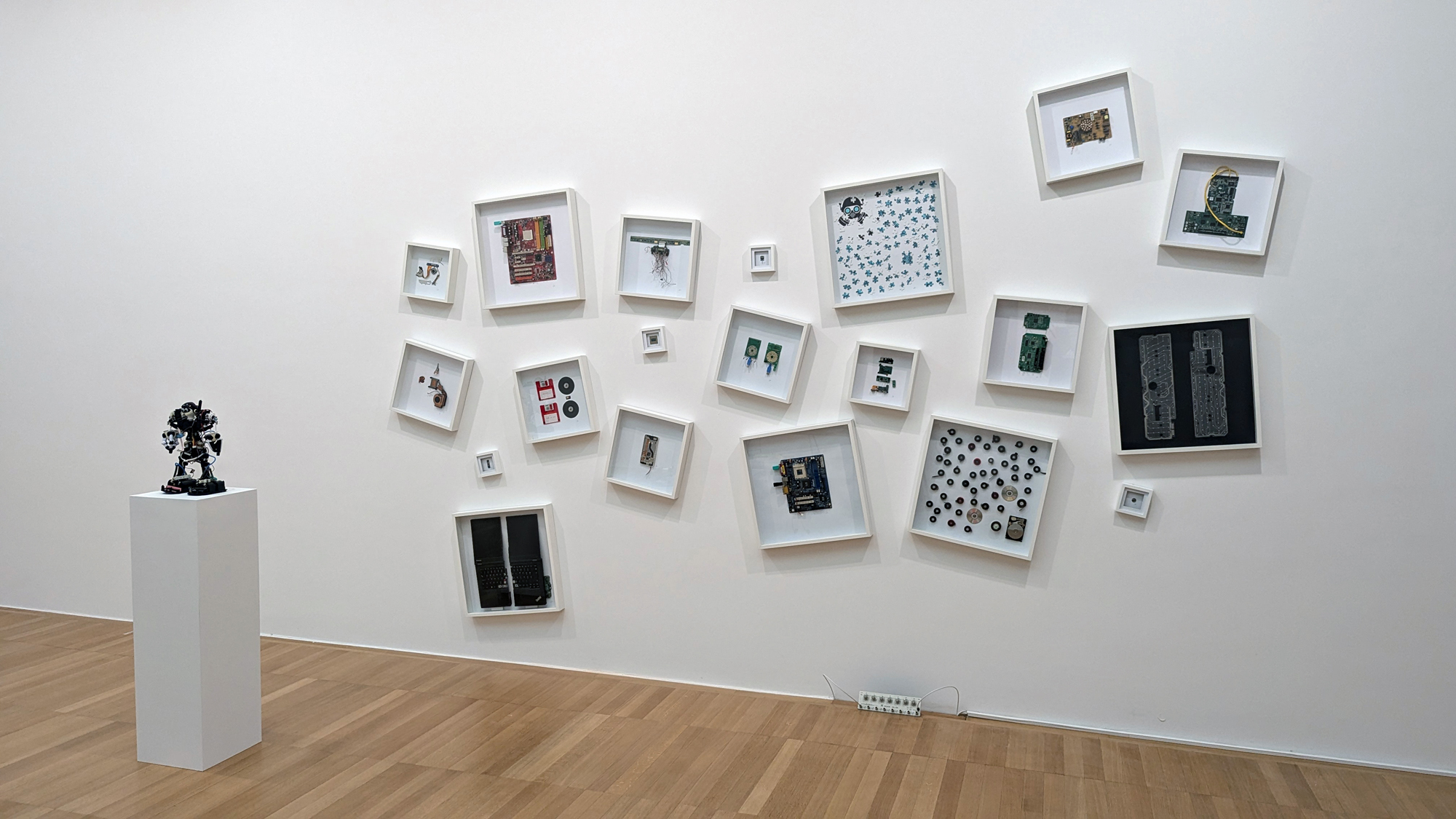
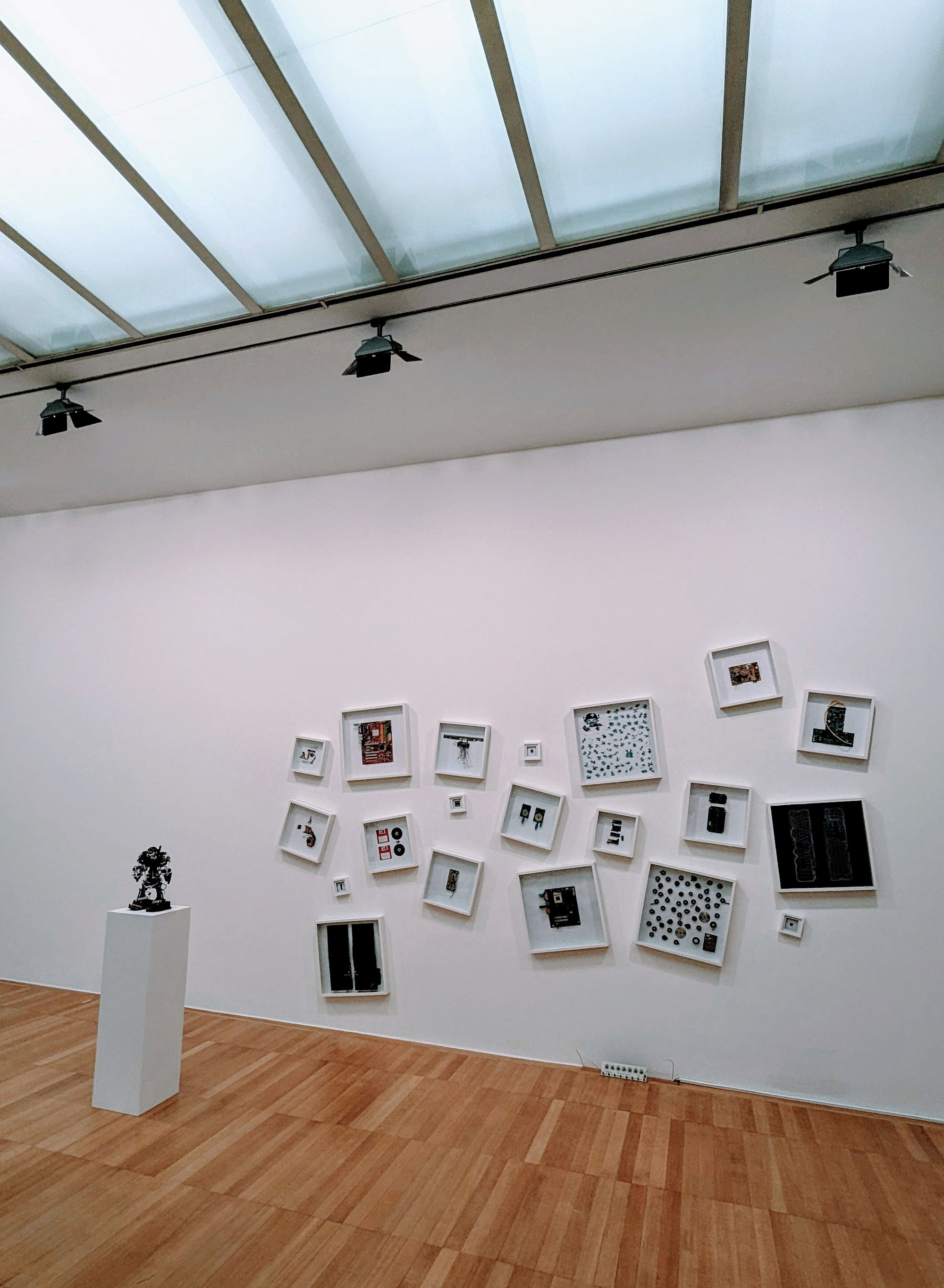
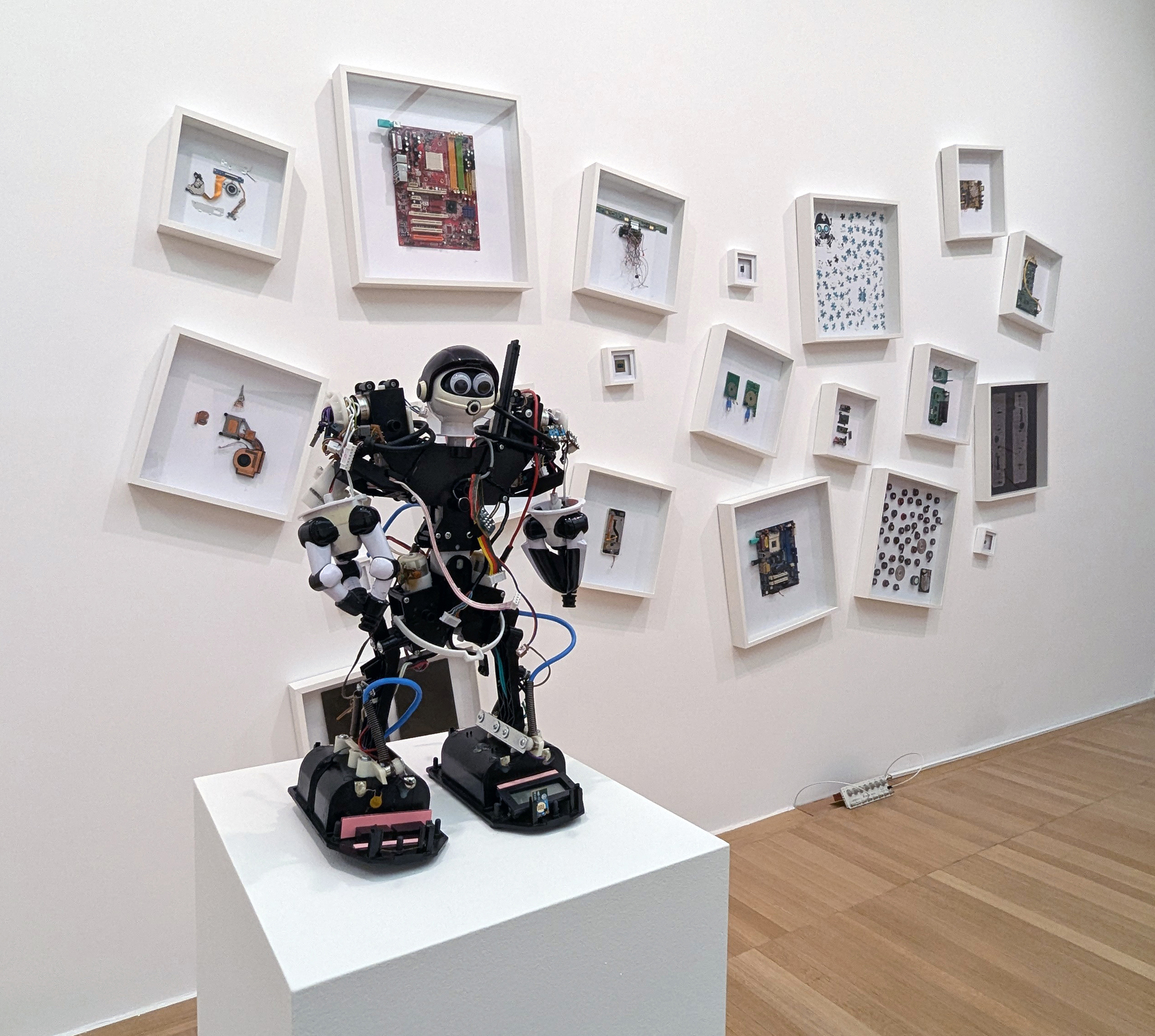
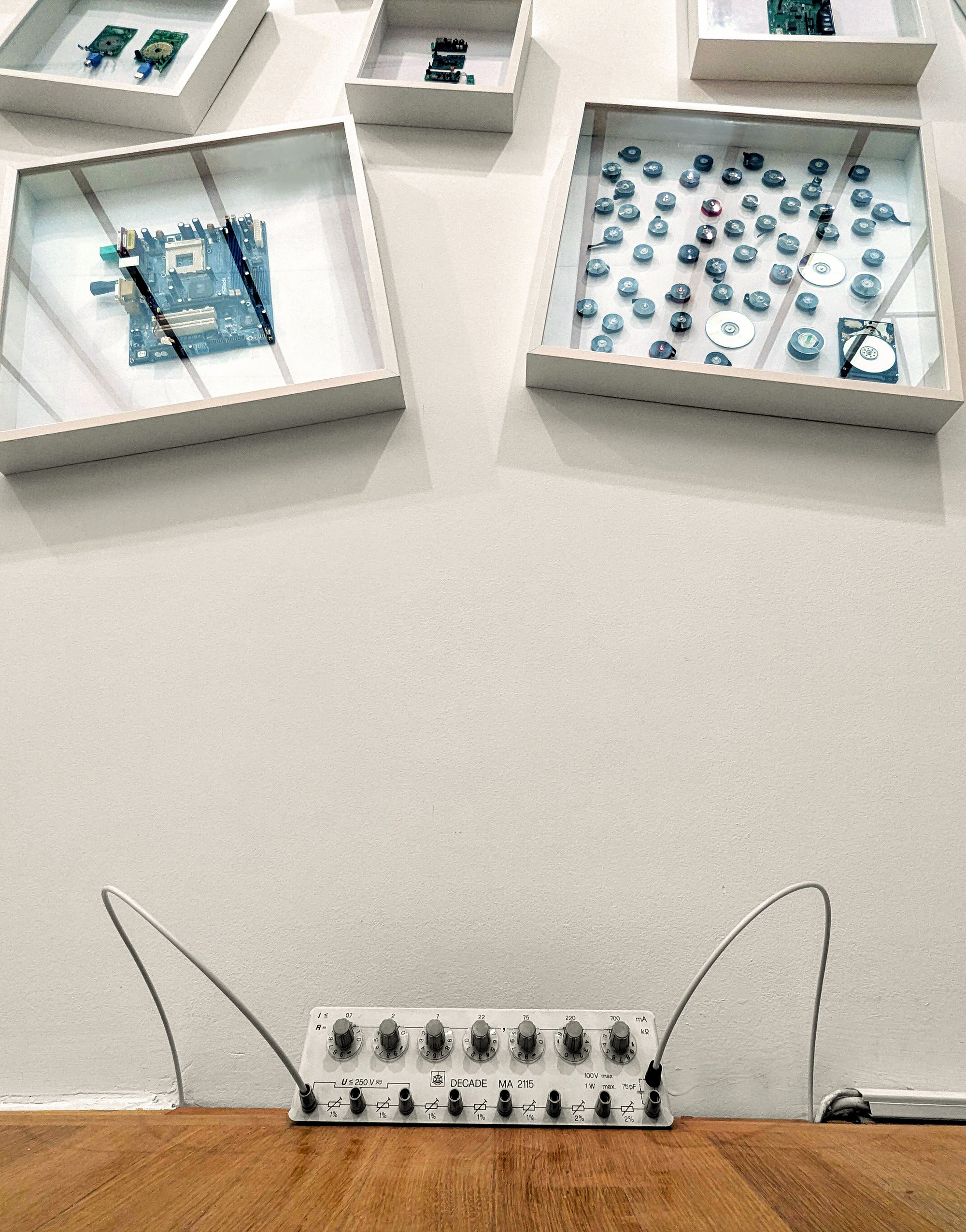
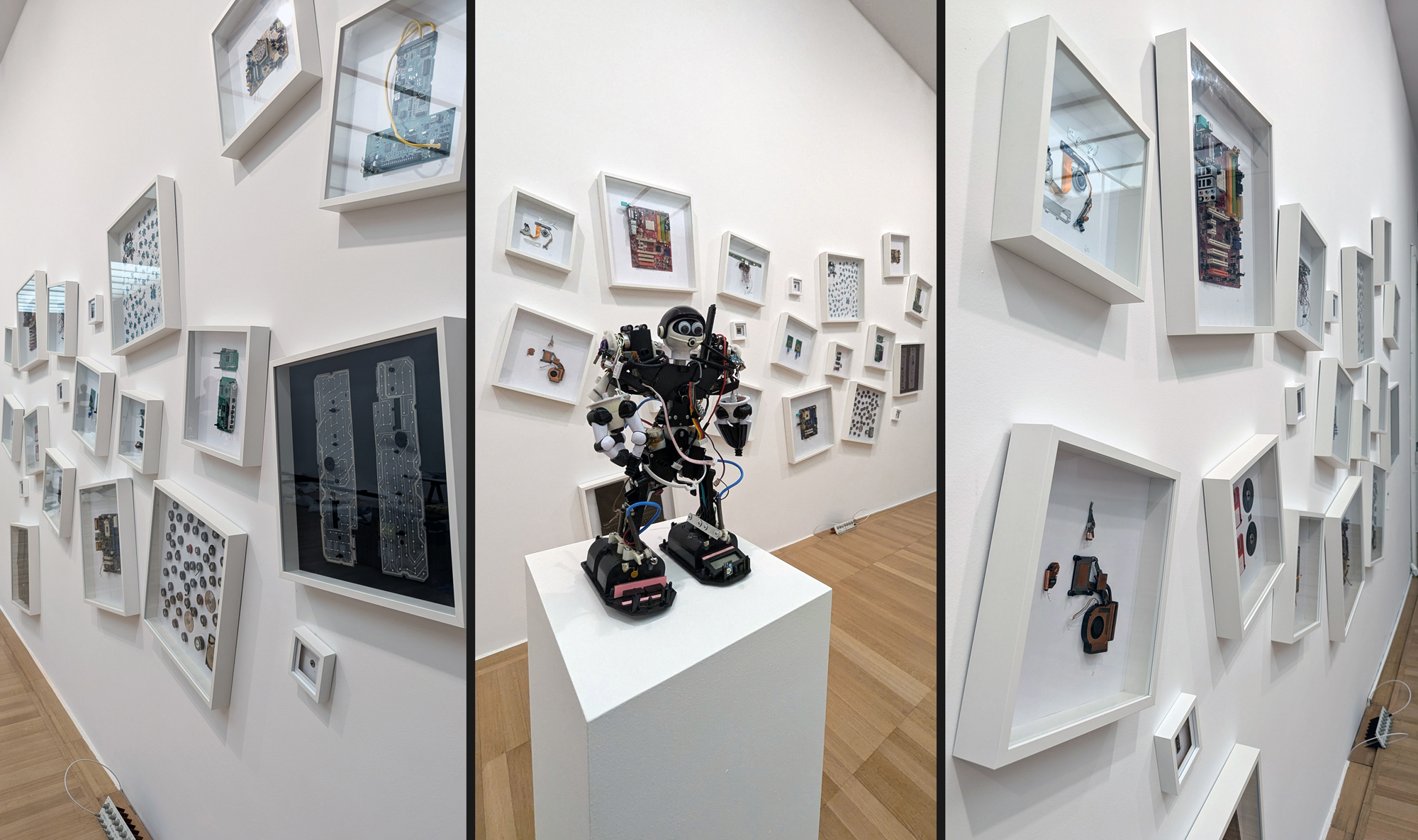
Štromajer participates at the exhibition with his latest series on memory – electrical machines, computers, phones and other digital devices and their parts that once produced, processed, transmitted and stored his net ⁿᵒⁿ⁻art (motherboards, sound and graphics cards, disks and magnetic tapes, fans, keyboards, chips, processors, cables, etc.), but are now partially or completely dead, no longer performing their basic functions, carrying only a physical memory of them.

These dead machines are part of the author’s intimate history, the memory which serves to mislead, betray and misrepresent, instead of describing the past. A false memory, however, does not offer an authentic image of the past it speaks of, but always only a misleading, deceptive, fictional and distorted, falsified image.
u3e2

Like software, hardware is also changing rapidly, continuously and inexorably, losing its functionality, purpose and, consequently, its content – the (non-)art itself. The author’s basic premise here is that (non-)art is not only hidden in the concept, the idea, i.e., not only in the nominal and declared (non-)art, but equally also in the tools and machines that produce it. That is why the parts of machines on display, now more or less dead, are full of intimate memories that have faded and stories that have died.
u3e3

In the exhibition, Štromajer‘s 101.72 MB is presented through a two-part setup that includes twenty framed electronic ready-made objects that simulate—pretend to be—art, and the skeleton of a disused robot employed in his previous works.

The series as a whole is part of Štromajer‘s years-long de-digitalization processes, from the deletion of his classical net ⁿᵒⁿ⁻art works in 2011 to the present, because the author believes that the only way to liberate ourselves from feudal techno-capitalism is through collective and total de-digitalization.

The title of the work indicates the amount of now deleted net ⁿᵒⁿ⁻art works (101.72 MB of files) produced and processed by the exhibited machines and their parts between 1996 and 2007: intima.org/ex.

de-digitalization ≠ re-analogization

Štromajer first appeared at the U3 in 2003, curated by Christine Van Assche, chief curator of new media at the Centre Pompidou in Paris.
u3e4

artists
Nika Autor, Jaka Babnik, Nataša Berk, Viktor Bernik, Maxime Berthou & Mark Požlep, Martin Bricelj Baraga, Jasmina Cibic, Ana Čavić, Lana Čmajčanin, DNLM, Aleksandra Domanović, Vadim Fishkin, Jošt Franko, Tomaž Furlan, Ištvan Išt Huzjan, Sanela Jahić, Staš Kleindienst, Andrea Knezović, Polonca Lovšin, name:, The Nonument Group, Gala Alica, Marjetica Potrč, Tobias Putrih & Ardalan SadeghiKivi, Tjaša Rener, Peter Rauch, Maruša Sagadin, Duba Sambolec, Luka Savić, Maja Smrekar, Robertina Šebjanič, Andrej Škufca, Igor Štromajer, Apolonija Šušteršič, Ulay, Tao G. Vrhovec Sambolec, Matej Andraž Vogrinčič, Nana Wolke, Neja Zorzut
u3e5

Continue reading “U3 · Triennial of Contemporary Art”

Digital Oxymoron · Quantum Dawn

Digital Oxymoron
group show
Digitalni oksimoron
28 March – 17 April 2024

MKC – The Multimedia Cultural Centre / Multimedijalni kulturni centar, Split, Croatia
curator: Irena Borić
production: Sonda Foundation, MKC Split

digitalni-oksimoron-plakat

Igor Štromajer exhibits his work:

Quantum Dawn or Transcending Political Anxiety
ㄴ (Non)Data Traps
2023
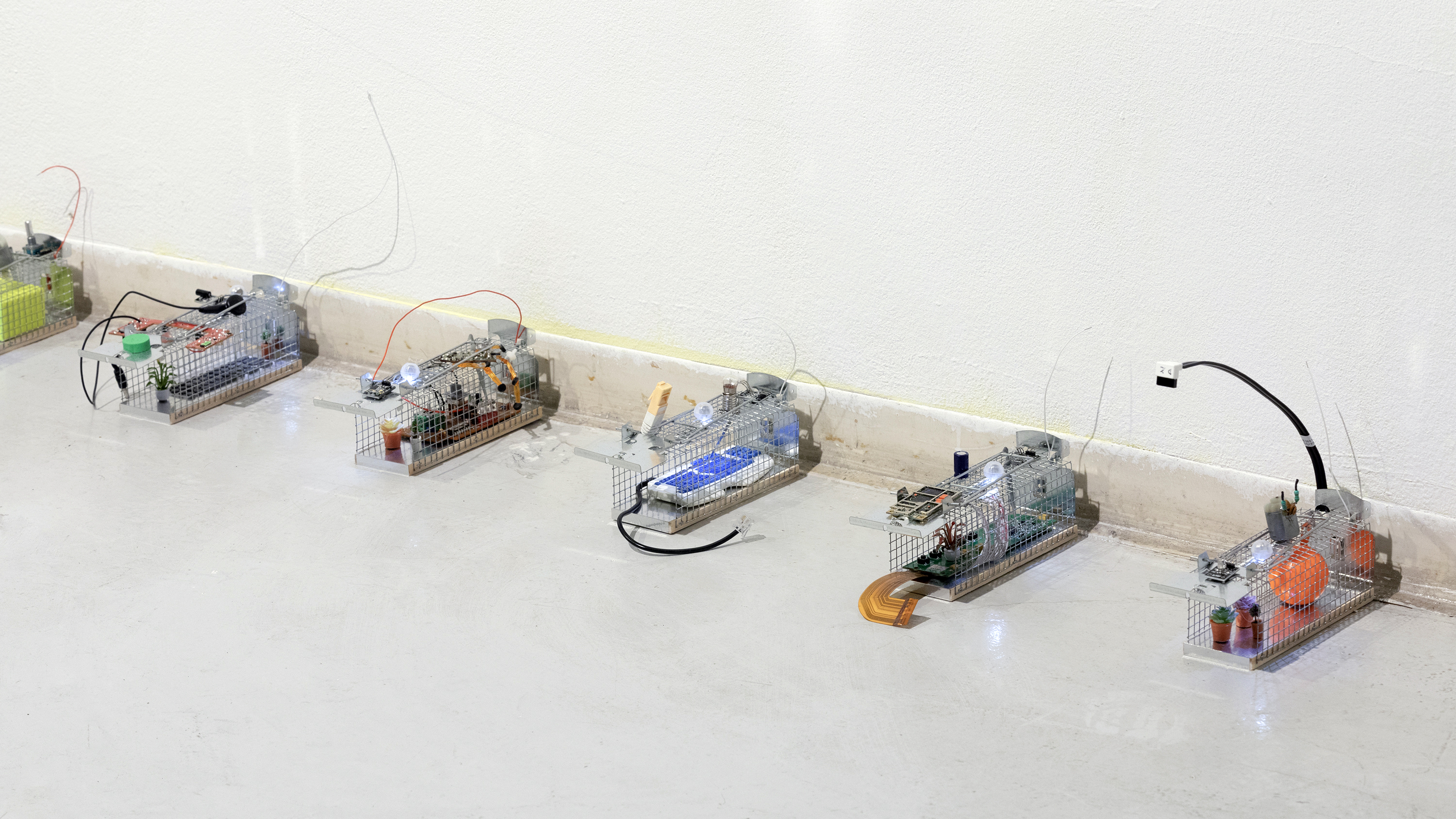
[20 mousetraps for non-mice]

digitalni postav_6

Kvantna zora ili nadilaženje političke tjeskobe
ㄴ (ne)podatkovna klopka
2023

· artists: Format C (Dina and Vedran Gligo), Hrvoje Hiršl, Petra Mrša, Toni Soprano Meneglejte, Andrej Škufca, Igor Štromajer, Ivana Tkalčić

The exhibition Digital Oxymoron reflects the material side of digital technologies through artistic practices. Although the virtual seems immaterial, the space beyond the other side of our keyboard is based on physical conditions and has concrete (often negative) consequences for the environment and society. At the same time, it is a space of exchange and the circulation of capital which influences the narrative about the immateriality of the digital. Precisely because of this apparent dematerialization in relation to other technologies and industries, the trace of digital technologies is even more ‘insidious’. It is difficult to make end users aware that digital waste is not only hardware and computer monitors, but also has environmental, social, political and economic consequences. Precisely because the scope of the material and ecological consequences of digital technologies is not easily comprehensible, the exhibition explores the different poetics and politics of digital technologies from this side of the screen.

digitalni oksi_30

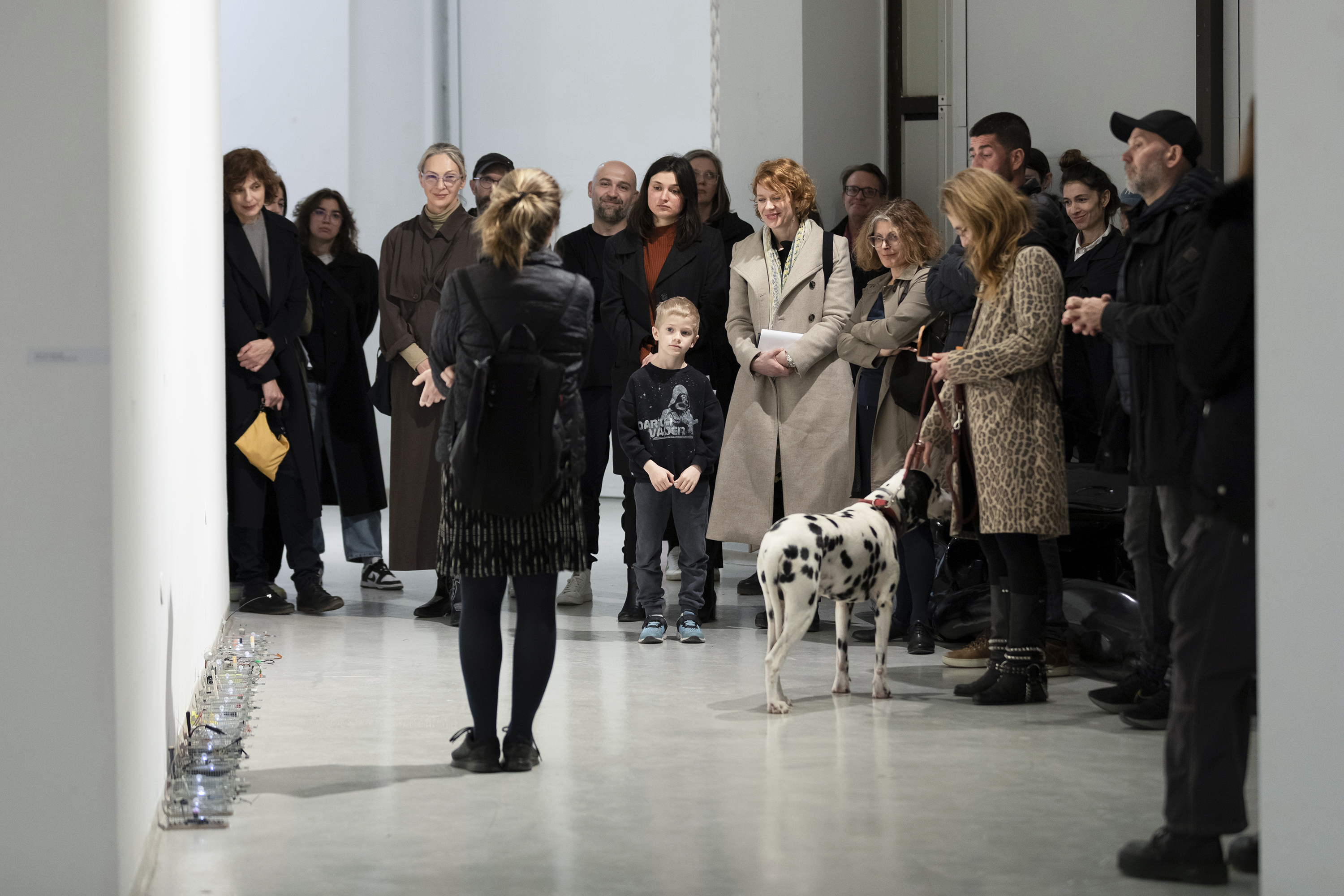
»In Quantum Dawn or Transcending Political Anxiety – (Non)Data Traps, Štromajer establishes a humorous dialogue by placing twenty mousetraps in the gallery space. Mousetraps everywhere, but not for mice. Like the miniature servers in their cages, the mousetraps are miniature terrariums with bio- and electronic parts (chips, cables, computer parts), and the artist questions our position in relation to the predicaments of new technologies. The term ‘quantum dawn’ also refers to a series of cyber-security exercises that allow financial institutions and the sector as a whole to practice and improve coordination with key industry and government partners to keep the financial market functioning in the event of a systemic cyber-attack. On the other hand, the term ‘non-data’ does not mean that there is no data, but is a physical term and is used in quantum physics to refer to another state of data, as every data has its opposite, i.e. non-data.«
— Irena Borić, curator

Continue reading “Digital Oxymoron · Quantum Dawn”

Complex Planet, Atlantic City

Complex Planet
group show
17 January – 7 April 2024

Noyes Museum of Art, Stockton University
Atlantic City, New Jersey
· online catalogue of the exhibition (PDF)

Opening reception: The Noyes Arts Garage, 20 January 2024

Igor Štromajer (Slovenia): Win 3.1 Kaleidoscope:

wp-atf2-mx

Curators:
Maria Campitelli, Manolo Cocho, Maja Flajsig, Leonardo Martínez, Vasja Nagy-Hofbauer, Denise Parziek, Josip Zanki, Pierre Zufferey

unnamed

Continue reading “Complex Planet, Atlantic City”

Digital Oxymoron · Quantum Dawn

Digital Oxymoron
group show
Digitalni oksimoron
22 November – 8 December 2023

GT22, Maribor
curator: Irena Borić
producer: Sonda Foundation

Igor Štromajer presents his new work:
Quantum Dawn or Transcending Political Anxiety
ㄴ (Non)Data Traps

[20 mousetraps for non-mice]

stromajer_kvantna-zarja-13

Kvantna zarja ali Preseganje politične tesnobe
ㄴ (ne)podatkolovke

[mišnice: 20 mišelovk za nemiši]

stromajer_kvantna-zarja-03

stromajer_kvantna-zarja-01

· artists: Format C (Dina & Vedran Gligo), Hrvoje Hiršl, Petra Mrša, Toni Soprano Meneglejte, Andrej Škufca, Igor Štromajer, Ivana Tkalčić

»The exhibition focuses on the materiality of the digital and examines the sense of intangibility that resides somewhere in the speed of a web page load, the reliability of an image stored in the cloud, or the temporary sense of intimacy of a chat that takes place over corporate servers. The screen before us offers immersive worlds where colours, speeds, processing power and storage processes intertwine, while masking the fact that it owes its existence and functioning to metals and minerals. The virtual can easily appear immaterial, as it is a virtual space beyond the keyboard, even though it is a mechanism based on physical premises and has concrete consequences for the environment and society. The dependence of media technology on various geological materials, geophysical forces and vast global networks of energy and supply chains is not obvious. The backdrop of the production and operation of digital technologies supporting complex economic, social and political systems is successfully obscured by ever smaller and more portable digital equipment. But, as in the book Digital Rubbish. A natural history of electronics, professor and researcher Jennifer Gabrys points out, “from silicon to microchip, and from microchip to underground contamination, a complex series of mutations occur that allow electronic technologies to evolve.” As we know, microchips made of silicon are actually the hardware that allows information to be transmitted in the form of electrical signals, or on-off signals. The transmission of information into bits or binary units, where electrical pulses are involved, is based on this very composite of silicon, chemicals, metals, plastics and energy. It is therefore clear that a huge amount of (natural) materials and resources are needed to create the virtual. At the same time, the narrative of the virtuality of the digital is conditioned and influenced by the online exchange and circulation of capital. End-users often fail to understand that digital waste is not only hardware and computer monitors, but also has environmental, social, political and economic consequences. Precisely because the extent of these consequences is not obvious, the exhibition explores the different poetics and politics of digital technologies from our side of the screen.«

— Irena Borić, curator

stromajer_kvantna-zarja-10

»In Quantum Dawn or Transcending Political Anxiety – (Non)Data Traps (2023), Igor Štromajer establishes a humorous dialogue by placing twenty mousetraps in the atypical exhibition space of GT22. Mousetraps everywhere, but not for mice. Like the miniature servers in their cages, the mousetraps are miniature terrariums with bio- and electronic parts (chips, cables, computer parts), and the artist questions our position in relation to the predicaments of new technologies. The term ‘quantum dawn’ also refers to a series of cyber-security exercises that allow financial institutions and the sector as a whole to practice and improve coordination with key industry and government partners to keep the financial market functioning in the event of a systemic cyber-attack. On the other hand, the term ‘non-data’ does not mean that there is no data, but is a physical term and is used in quantum physics to refer to another state of data, as every data has its opposite, i.e. non-data.«

— Irena Borić, curator

stromajer_kvantna-zarja-12

Continue reading “Digital Oxymoron · Quantum Dawn”