


[press, articles, papers, books, media, lectures, references]
VOICE
Vocal Aesthetics in Digital Arts and Media
Edited by Norie Neumark, Ross Gibson and Theo Van Leeuwen
The MIT Press, U.S.A.
Voice has returned to both theoretical and artistic agendas. In the digital era, techniques and technologies of voice have provoked insistent questioning of the distinction between the human voice and the voice of the machine, between genuine and synthetic affect, between the uniqueness of an individual voice and the social and cultural forces that shape it. This volume offers interdisciplinary perspectives on these topics from history, philosophy, cultural theory, film, dance, poetry, media arts, and computer games. Many chapters demonstrate Lewis Mumford’s idea of the “cultural preparation” that precedes technological innovation—that socially important new technologies are foreshadowed in philosophy, the arts, and everyday pastimes.
Chapters cover such technologies as voice mail, podcasting, and digital approximations of the human voice. A number of authors explore the performance, performativity, and authenticity (or ‘authenticity effect’) of voice in dance, poetry, film, and media arts; while others examine more immaterial concerns—the voice’s often-invoked magical powers, the ghostliness of disembodied voices, and posthuman vocalization. The chapters evoke an often paradoxical reassertion of the human in the use of voice in mainstream media including recorded music, films, and computer games.
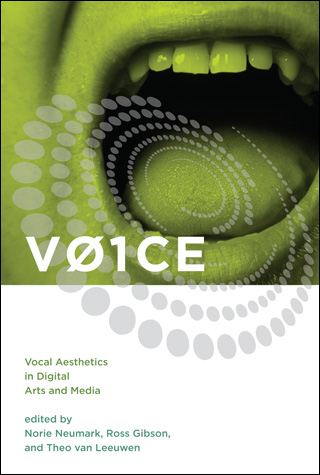
Norie Neumark analyzes and writes about the Oppera Teorettikka Internettikka by Igor Štromajer.
Dialogi št. 5-6 10
(avgust 2010)
DNEVNIK
Bojana Kunst in Igor Štromajer:
Hamburški dnevnik
http://www.aristej.si/slo/dialogi
Založba Aristej, Maribor, Slovenija
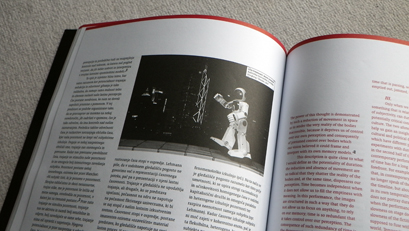
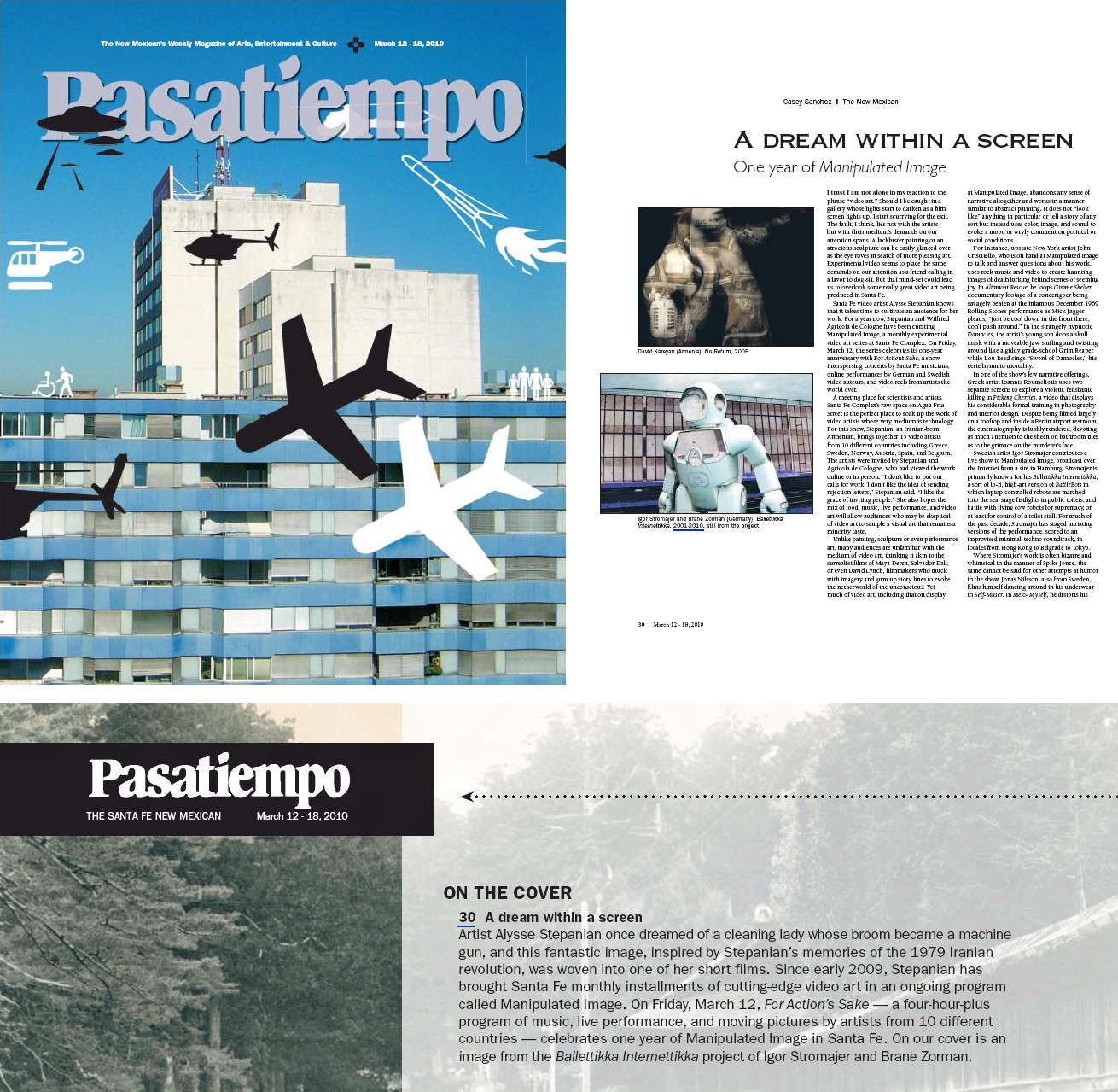
Ballettikka Internettikka (Internet Ballet / Aeronauttikka by Igor Stromajer & Brane Zorman) on the cover of Pasatiempo – The New Mexican’s Weekly Magazine of Arts, Entertainment and Culture, March 12-18, 2010 (Santa Fe, New Mexico, USA)
The Education Through Art Practices project establishes different forms of work and thought. Rethinking the status of education, especially its role within artistic creation, is today crucial, since we often notice that artistic creation is product-oriented and that it does not allow any space for research nor, consequently, learning through research. In order to create new forms and establish the conditions for different thought, we need to encourage research and establish situations that allow an open, but critical debate. A network of experts in various fields potentially makes possible the creation of a platform as a testing ground for thought, creation, questioning one’s own position and “the value of an artwork” and, last but not least, an opportunity to create new forms and approaches to artistic creation.
Bojana Kunst and Igor Štromajer
INTIMATE PROTOCOLS
1 March 2010, CD, M3/M4
2 and 3 March 2010, CD, M3/M4
3.00 p.m. – 8.00 p.m.
Technological procedures today directly affect our bodies and the ways we experience closeness and intimacy. We will create a situation for a networked performance in which we will focus especially on the connection between technology and emotions, desire and connectivity. We can say we live in the time of the decline of discursive protocols and the increase of material ones. Instead of discursive negotiations, we perform technical procedures that immediately influence THE way we experience proximity, closeness and intimacy.
New Intima Virtual Base YouTube Channel
youtube.com/intima2

Extension – Das Netz als Material und Gegenstand
Hamburger Kunsthalle, 1997
[Intimate Locative Hamburg/HHistory, 13 years ago]
“Aus ca. 200 eingesandten Projekten traf die Jury (Dr. Uwe M. Schneede, Rainer Wörtmann, Dellbrügge & de Moll, Valie Export, Dr. Dieter Daniels) ihre Auswahl.”
Die Preisträger
3. Preis (DM 3.000): Igor Stromajer: “0.html” (January 1996)

POJMOVNIK SLOVENSKE UMETNOSTI PO LETU 1945
Pojmi, gibanja, skupine, težnje
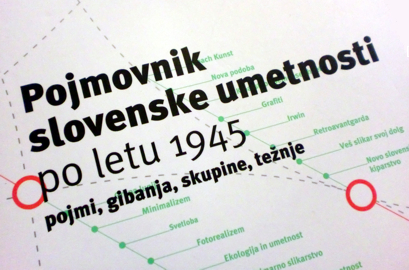
Continue reading “Pojmovnik slovenske umetnosti po letu 1945”
VHS VIDEO TAPE / HISTORY:
Igor Štromajer – Interview at bgf_mitte, February 2003
by netart-datenbank.org
[Sakrowski – Linden – No:sler] Berlin, Germany
 intima.org · Igor Štromajer